



































































Easter - Everything About Easter Holidays from History to the Present DayTo begin with, let us brief
To begin with, let us briefly explain how ordinary people once understood the world, and where and when the Easter holidays first took shape as the early foundations of the celebration we know today.
Almost everyone is familiar with Easter week or the Easter holidays... But do you know the other names for this festive period? And what about the individual days? Do you know how these days are celebrated in other countries? What traditions were once connected to this time, and why is Easter also called a movable holiday?
In this article, we answer all of these questions.
What you will learn in this article:
- History and origins of Easter
- How our ancestors viewed Easter holidays
- Christian Easter
- How the date of Easter is calculated
- Traditional Easter wishes
- Symbols of Easter
- How Easter holidays are celebrated around the world
- Conclusion
1. History and origins of Easter
Why are these days considered so special? Because for centuries, they have been associated with various rituals, purification, and renewal. In some sources, they are even described as the holiday of all holidays.
When people interpret Easter today, they usually begin with the Christian perspective, which offers a familiar and widely accepted explanation. However, anyone who wants to understand these holidays more deeply must look further back into older layers of history.
Ancient nomadic peoples connected this period with the blessing of spring. Some traditions mention the use of lamb’s blood to create protective symbols, which were believed to guard people against danger and the unknown. This was especially significant when nomadic groups were preparing to travel through the desert. Their lives were closely tied to livestock, which was essential to their survival.
If we go even further back, in the Jewish tradition we come to Passover, or “Pesach,” during which Jewish communities celebrate the Exodus and the feast of unleavened bread. It is an eight-day holiday. Jewish Passover is a family celebration, traditionally centered around the home. In some nomadic traditions, Passover was even seen as the first day of the year. This links naturally to the arrival of spring and, symbolically, to a new beginning or rebirth. Easter later also became a major holiday in Christianity, as Jesus and his apostles celebrated it according to the customs and rules of that time.
Among the early Slavs, many ancient customs gradually merged with Christian tradition. The Slavs mainly used this time to welcome the return of spring. They said goodbye to winter, which was symbolically giving way to the coming season. It was only natural that people would not easily abandon the celebrations inherited from their ancestors, which is why many of these customs were eventually absorbed into Christianity. Historical records show that our ancestors visited the graves of their deceased loved ones during this time to symbolically spend time with them. People believed that during these holidays, the worlds of the living and the dead became connected. These traditions reflect the strong bond between people and nature. Easter is deeply rooted in ancient pre-Christian customs. While the Slavs celebrated the awakening of the earth, today these days are more commonly seen as a time of reflection on the suffering, death, and resurrection of Jesus Christ. Despite attempts to suppress pagan customs, these ancient traditions remained deeply rooted in local culture and survive in various forms to this day.
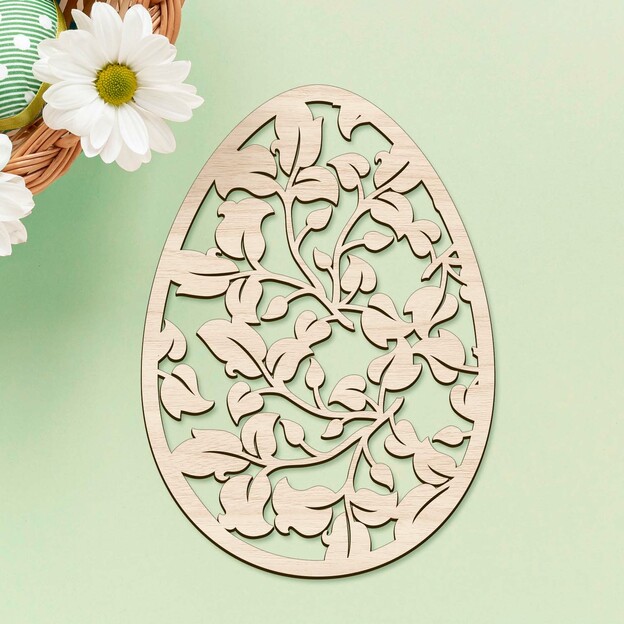
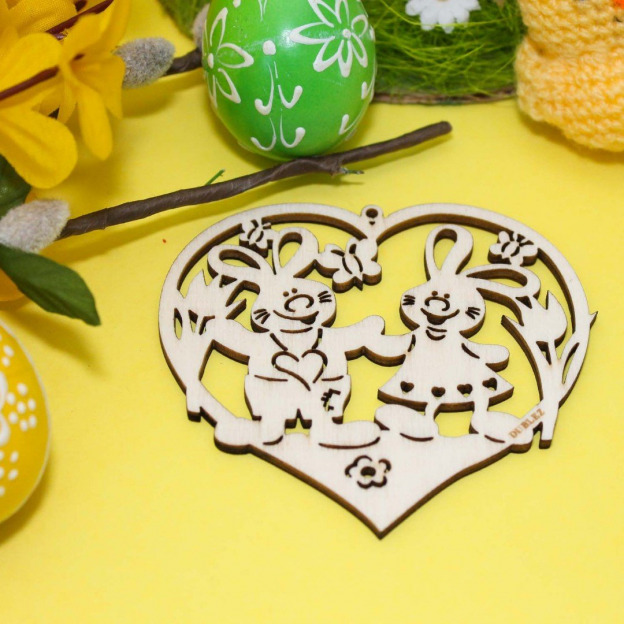
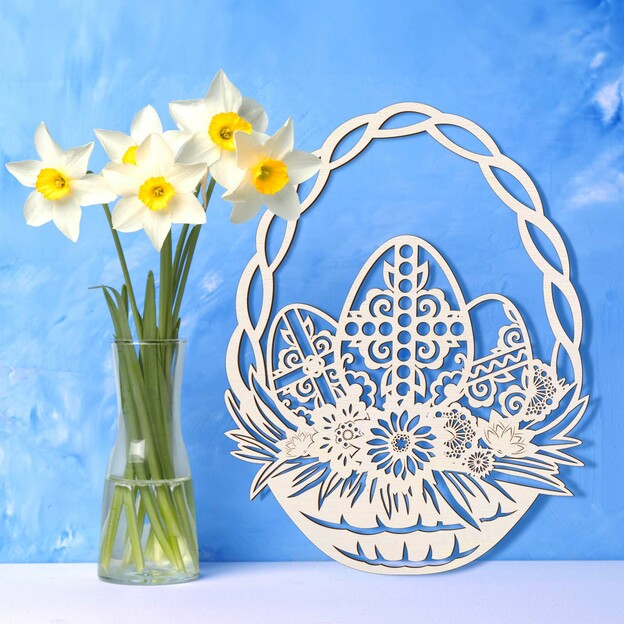
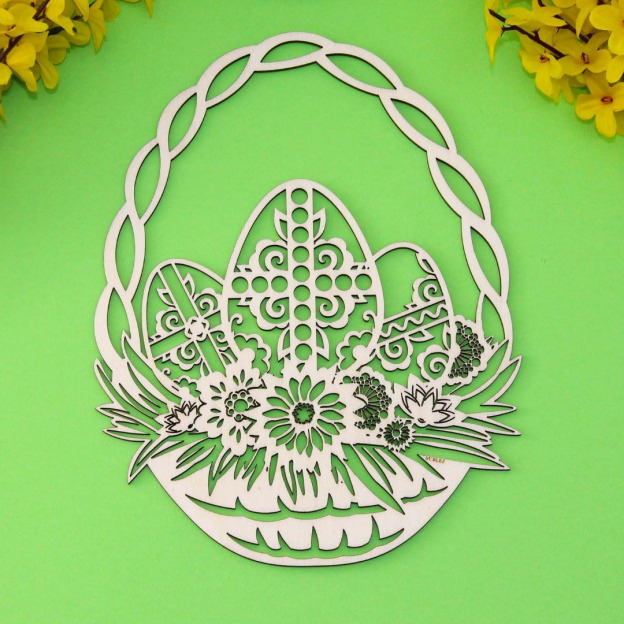
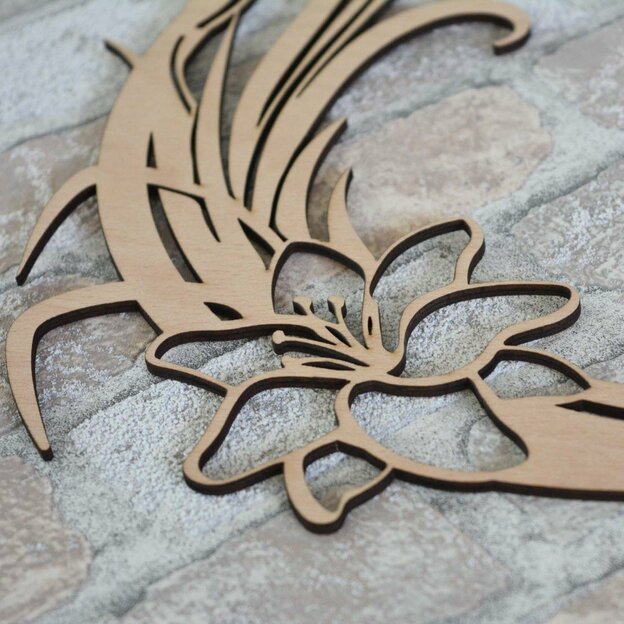
At DUBLEZ, we create wooden decorations inspired by spring and Easter, which have become a part of seasonal decorating in many homes. They are made from wood, eco-friendly, and carefully crafted with attention to every detail.






1.1 Fasting during Easter
These holidays are also connected with a forty-day fasting period, which covers six Sundays. During this time, fasting did not only relate to food, but also to abstaining from everyday pleasures like weddings and loud celebrations. It was seen as a sign of humility, but also as an expression of faith and inner discipline during a period of purification. Today, we also know that fasting can contribute to cleansing the body and overall renewal. Even holistic medicine often refers to the value of a spring detox.
These days can therefore be understood as a time of rebirth, fertility, and the awakening of life after winter. Across the world, we can trace individual traditions back to one shared idea: the celebration of new beginnings and the arrival of spring.
2. How our ancestors viewed Easter holidays
Easter week, Holy Week, or Passion Week. These are all names used for the festive days that are celebrated with great respect in many countries around the world. Traditionally, these holidays were understood as a group of special days connected with protective and cleansing rituals. Palm Sunday, Maundy Thursday, Good Friday, Holy Saturday, Easter Sunday, and Easter Monday are the key days that form the structure of the festive period.
2.1 Ash Wednesday
It officially begins 40 days before Easter (excluding Sundays). Ash Wednesday serves as a reminder of the transience of human life and is marked by repentance. In the Catholic Church, it marks the beginning of Lent.
2.2 Palm Sunday
On this day, an old custom involved washing in cold water early in the morning, as it was believed to bring health and carry away illness. Water was seen as having a purifying, almost miraculous power.
2.3 Maundy Thursday
On this day, the household should be tidy, and peace should prevail among people. At least one meal should be green—traditionally simple dishes made from nettles or spinach. It was believed that harmony on this day would bring prosperity for the year. It was also one of the first days when farmers led their cattle out to pasture.
2.4 Good Friday
This day is devoted to rest, quiet reflection, and spiritual renewal. It was marked by strict fasting and restraint. In ancient times, people visited the graves of the deceased to leave gifts and food. Once again, water was used symbolically to wash away impurities.
2.5 Holy Saturday
Homes are cleaned, and housewives prepare festive dishes for the holiday, often including foods with symbolic meaning. For men, it was considered a suitable time for sowing and outdoor work. In every household, girls boiled eggs and decorated them. Every region has its own customs, so the style of Easter egg decorating depended on local tradition.
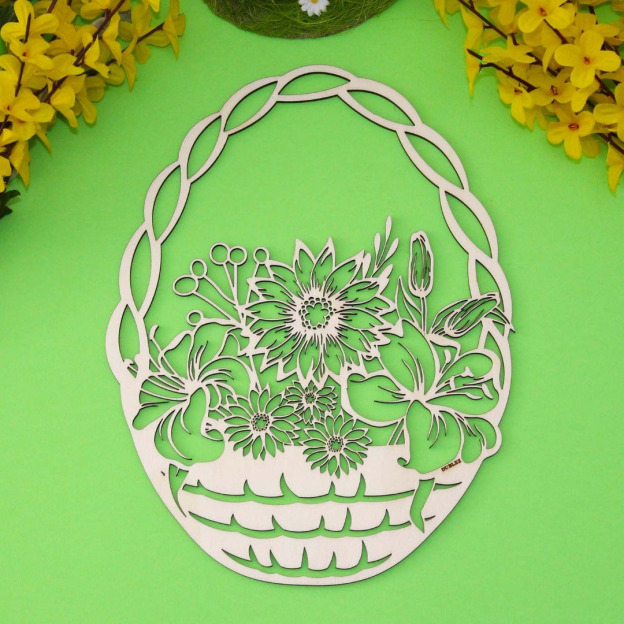
At DUBLEZ, we also offer wooden Easter templates that can be painted according to your own imagination. They are a lovely spring decoration and encourage creativity.
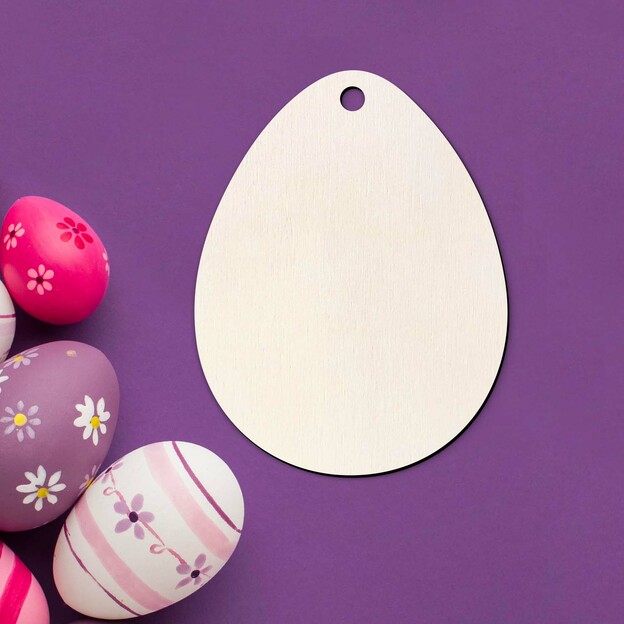
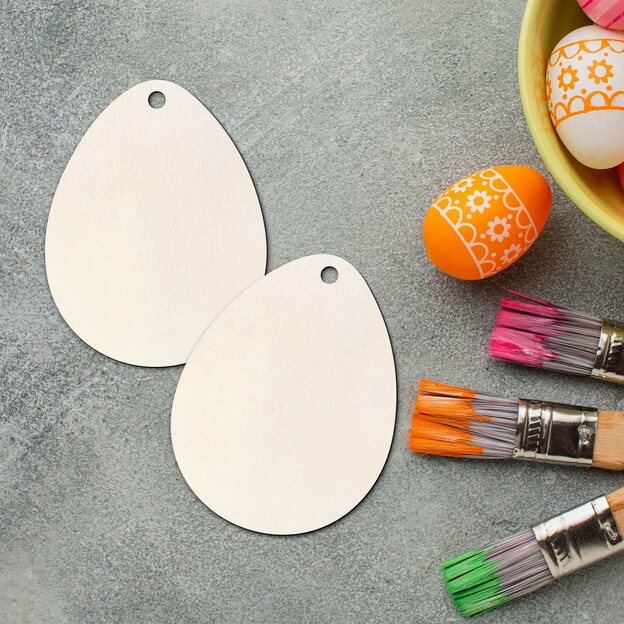
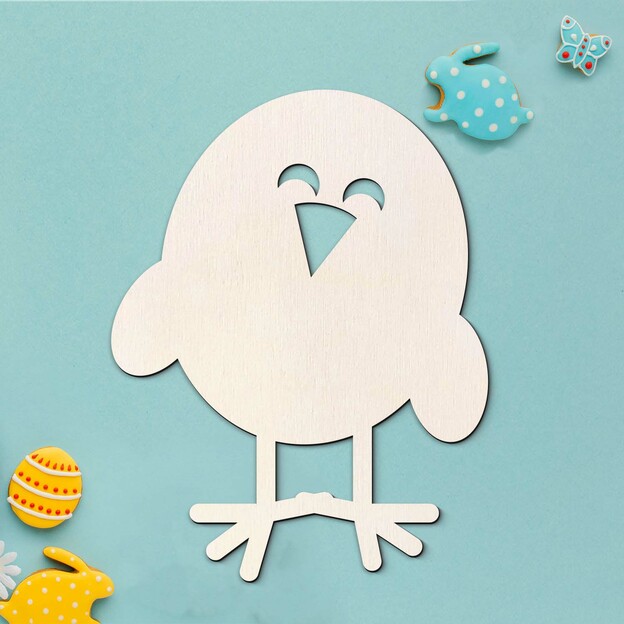
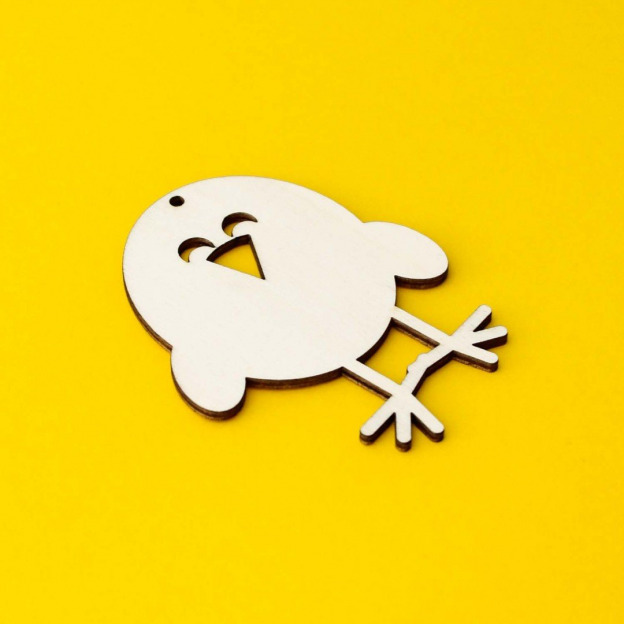
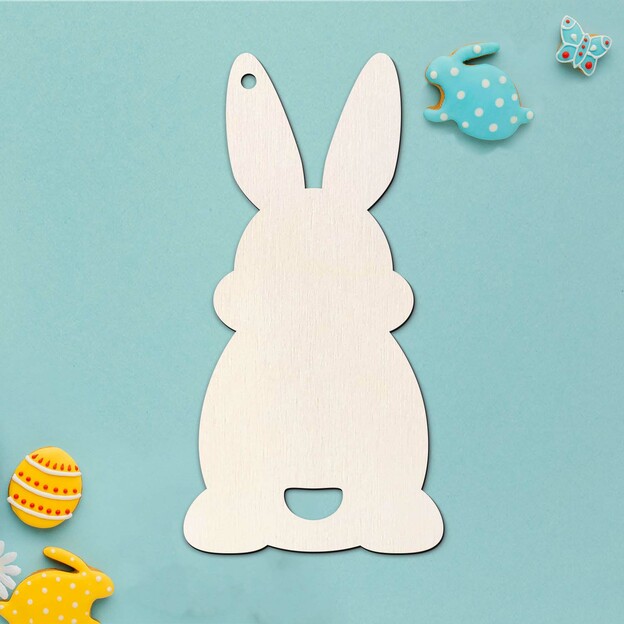
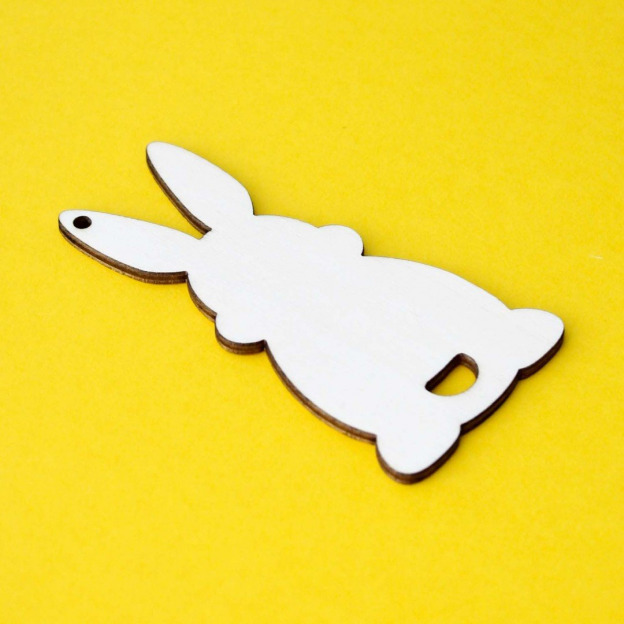
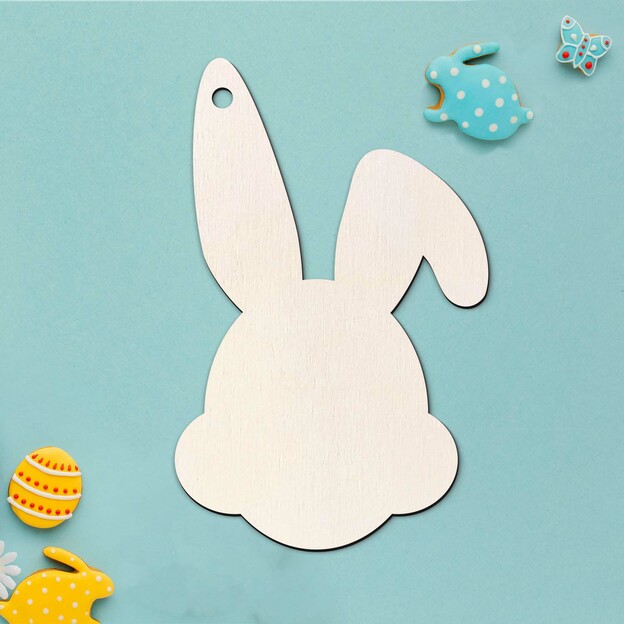
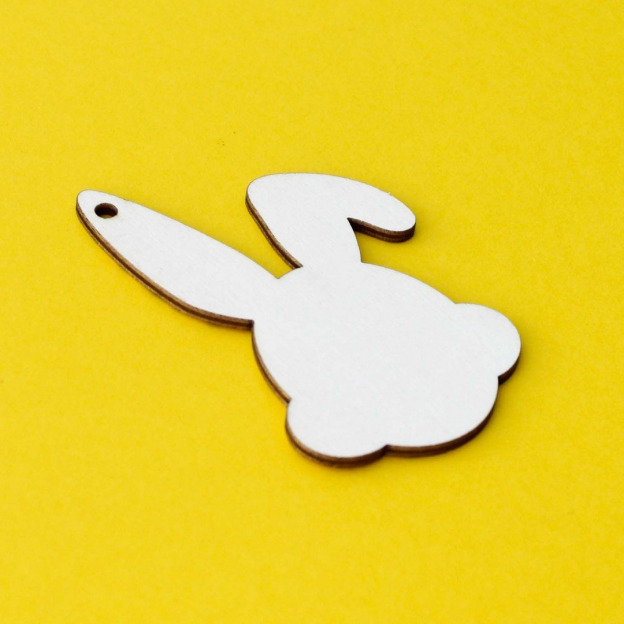
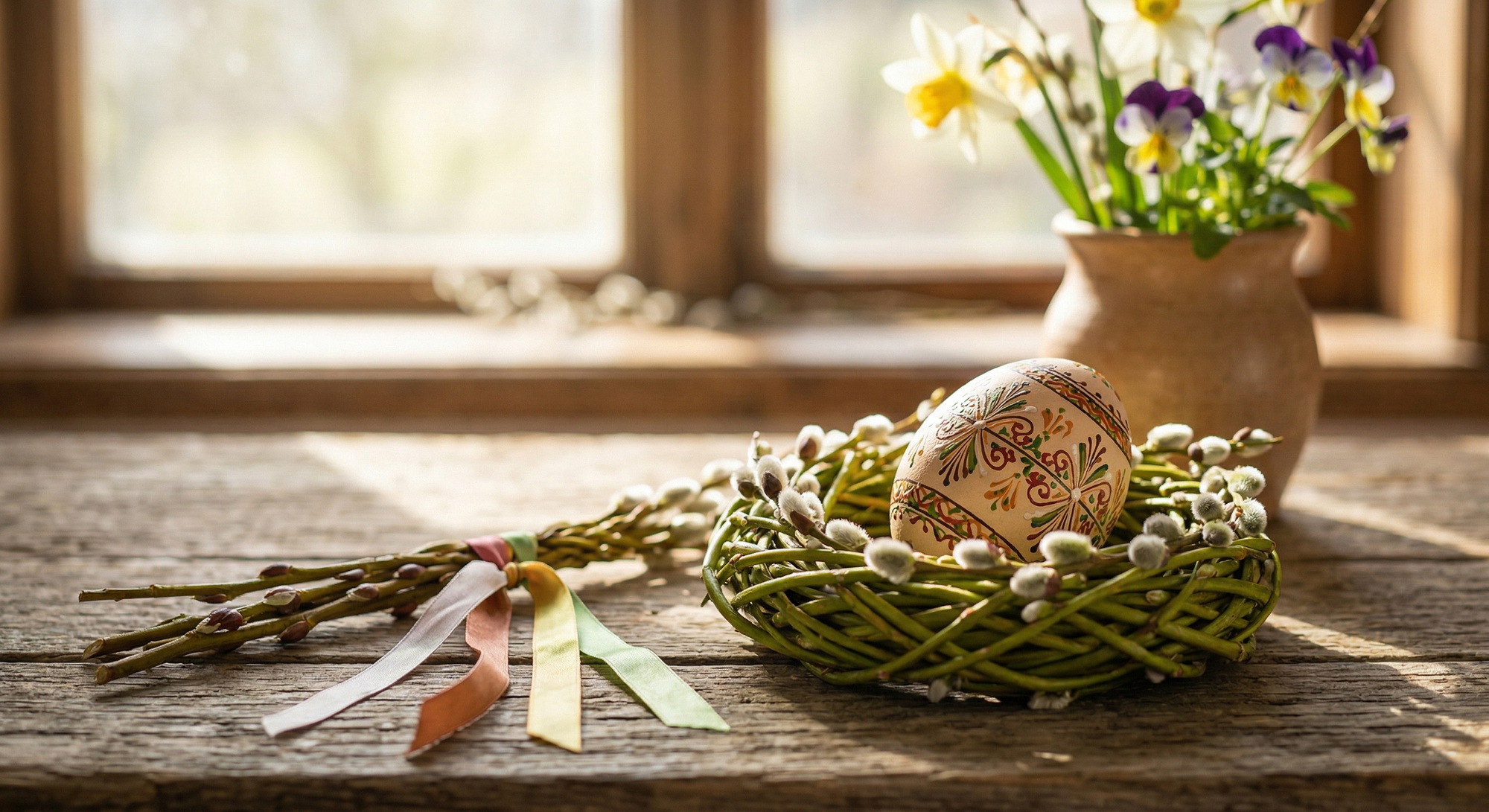
Eating eggs was believed to protect people from negative energy. Young men would braid Easter whips from white willow branches. Once everything was ready, the family dressed in festive clothes to celebrate the blessing of the fire, from which the main Easter candle was lit.
2.6 Easter Sunday
Easter Sunday is the first Sunday after the full moon following the spring equinox. It is a celebration of the victory of life over death. Among Christians, this day is known as the Feast of the Resurrection, when food is blessed and shared together. In the afternoon, preparations would begin for the traditional Easter Monday customs.
2.7 Easter Monday
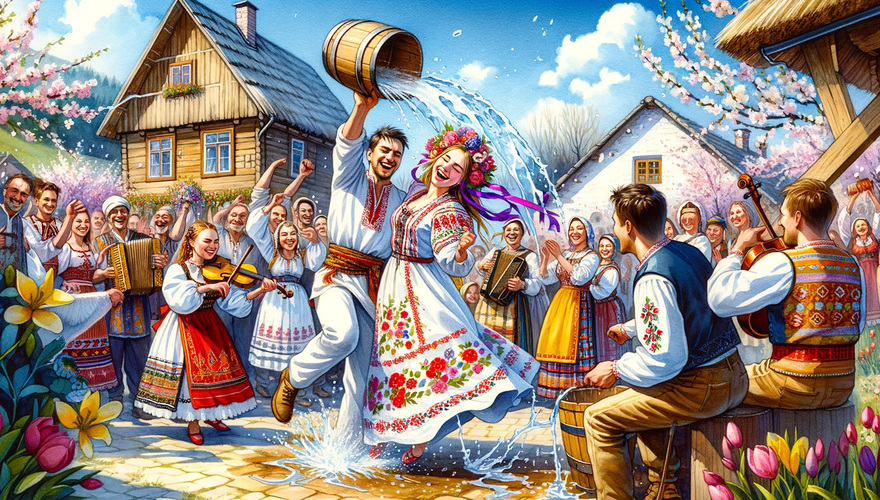
In Central Europe, this is a day of unique folk traditions. Young men visit houses and symbolically tap young women with braided willow whips or pour water over them to ensure health and vitality for the coming year. This custom was believed to cleanse and renew. Girls then welcome the young men with refreshments and decorated eggs. While the holidays did not fully end with this day, it marked the close of Easter week.
Summary of these days: they grew out of the traditional rural life of local communities and are associated with:
- traditions and customs,
- folk sayings and rhymes,
- wishes and prayers,
- church visits and other festive rituals.
3. Christian Easter
In Christianity, Easter is the most important holiday of the year, as it is connected with the death and resurrection of Jesus Christ. For this reason, the meaning of these days in Christianity is specific:
3.1 Ash Wednesday
In Christian tradition, ashes from the previous year’s blessed willow branches are used during Mass, and a cross is drawn on the foreheads of believers. This is accompanied by the words: “You are dust, and to dust you shall return.”
3.2 Maundy Thursday
This day is connected with reconciliation and the institution of the Holy Communion. The evening Mass commemorates Jesus’ Last Supper with his disciples, when he turned bread and wine into his body and blood with the words: “Do this in memory of me.”
3.3 Good Friday
Christians remember the Stations of the Cross, the suffering, and the death of Jesus Christ. For Christians, this represents the redemption of the world. It is a solemn day of repentance and fasting.





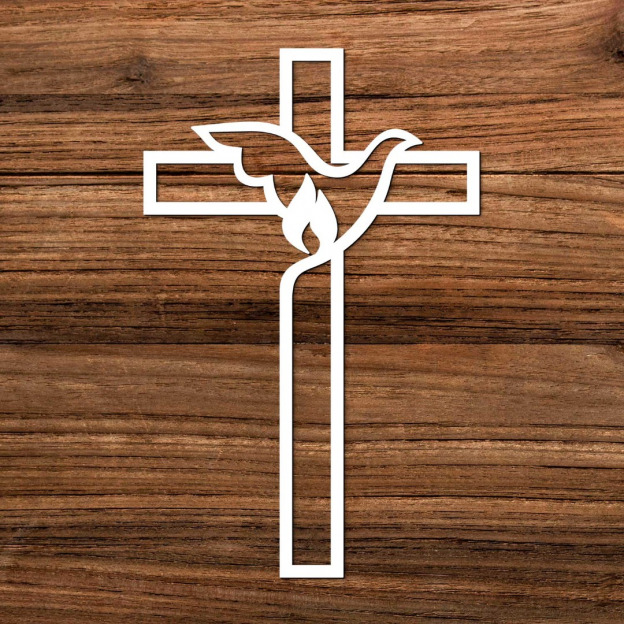
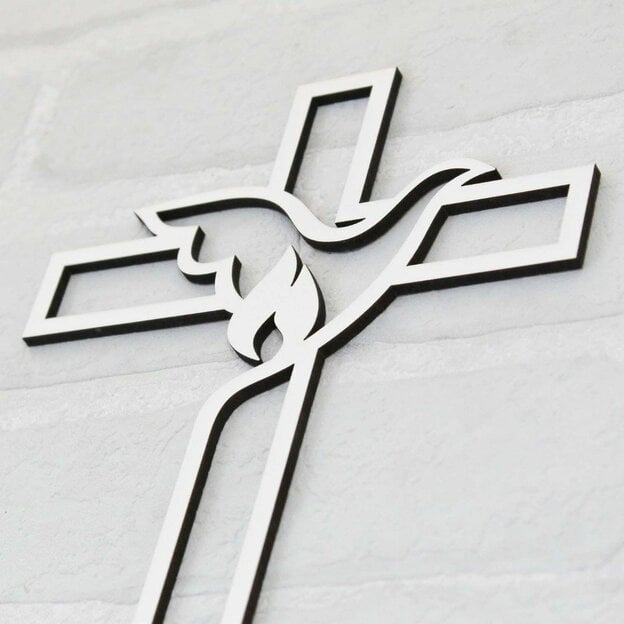
3.4 Holy Saturday
A day of silence when the body of Jesus lay in the tomb. The day begins in the spirit of fasting and ends with the joy of the Easter Vigil, celebrating the resurrection.
3.5 Easter Sunday
The celebration of Jesus Christ overcoming death. This Feast of the Resurrection of the crucified Jesus Christ is the pinnacle of the liturgical year. It is customary to bring food to church to be blessed by the priest.
3.6 Easter Monday
Sometimes called “Lamb Monday,” commemorating the angel who encouraged the women at the empty tomb, saying: “Do not be afraid! He has risen. He is not here.”
4. How the date of Easter is calculated
Did you know that Easter is celebrated on a different date every year? Easter can fall between March 22 and April 25. It is celebrated on the first Sunday after the first full moon following the spring equinox. This is why Easter is known as a movable holiday.
5. Traditional Easter wishes:
Here are a few traditional Easter wishes from Central Europe that children often learn for the holiday season.
Whip, fish, and shiny scales,
a slice of cake for all my trails,
add some treat without delay
and a coin to tuck away.
Sweet cakes and flexible willow whips,
cold fresh water on the lips,
smoked ham on the festive plate,
lots of joy and worries few to celebrate.
5.1 Folk Easter wishes:
A little water down your collar, a few eggs laid out to share,
a few playful taps for good luck, and health beyond compare.
Wishing you joyful Easter holidays…
A tiny duckling comes your way,
only for a little stay,
for a kiss upon your cheek
it brings an egg so soft and sweet.
Happy Easter…
5.2 Easter folk sayings
Traditional sayings preserve the wisdom of earlier generations:
- If it rains on Easter Sunday, expect a dry summer.
- A white Christmas brings a green Easter.
- When Easter is bright and beautiful, the harvest will be rich.
6. Do you know the symbols of Easter?
Let's look at the symbols that commonly appear during this season:
Lamb - Associated with innocence and sacrifice for the salvation of the world.
Candle - A symbol of inner light, hope, and eternal life. It is believed to have cleansing and protective power.
Fire - Represents energy and strength, symbolizing victory over darkness and death.
Water - Connected with health, purification, and the flow of life energy.
Bunny - A symbol of spring, fertility, and happiness.
Easter whip - Derived from ancient Slavic customs, it was seen as a symbol of strength and vitality.
Egg - The ultimate symbol of fertility, rebirth, and the beginning of life.
Cross - An ancient symbol representing eternity and the connection between the divine and the human.
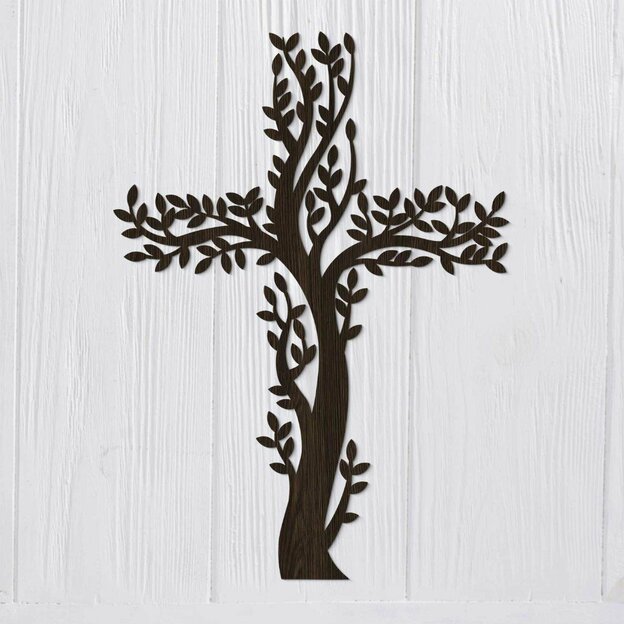
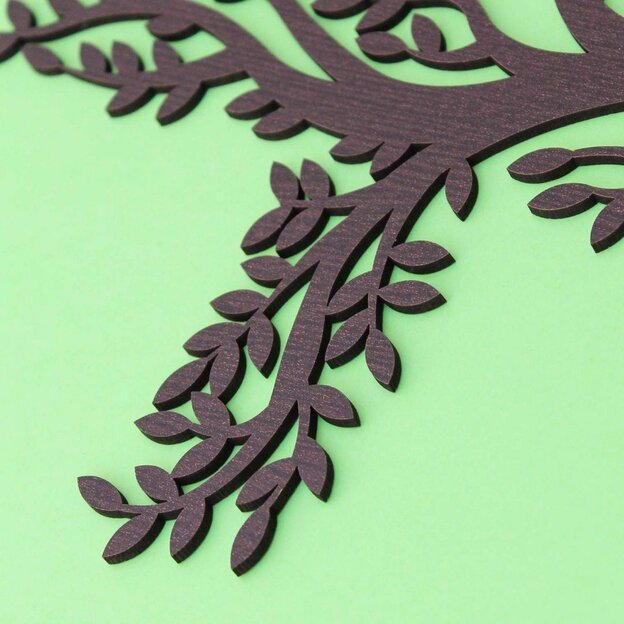


Pussy willow branches - Willow twigs have symbolized the awakening of spring for centuries. In Christianity, they are used as ash on Ash Wednesday to signify repentance.
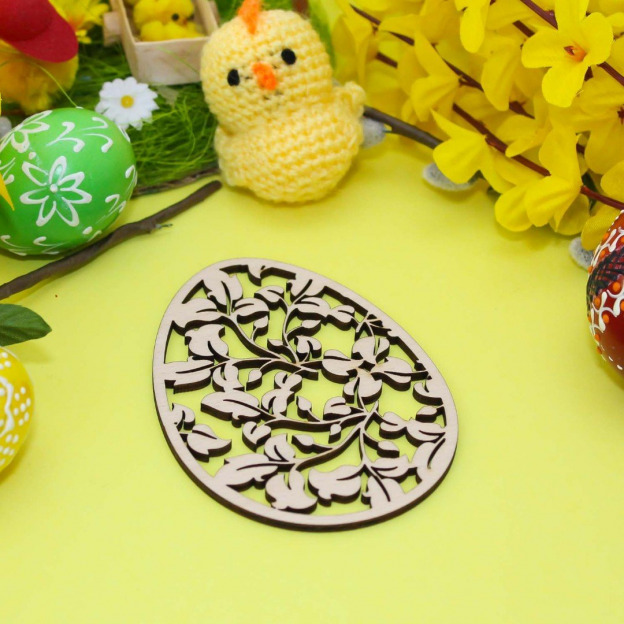
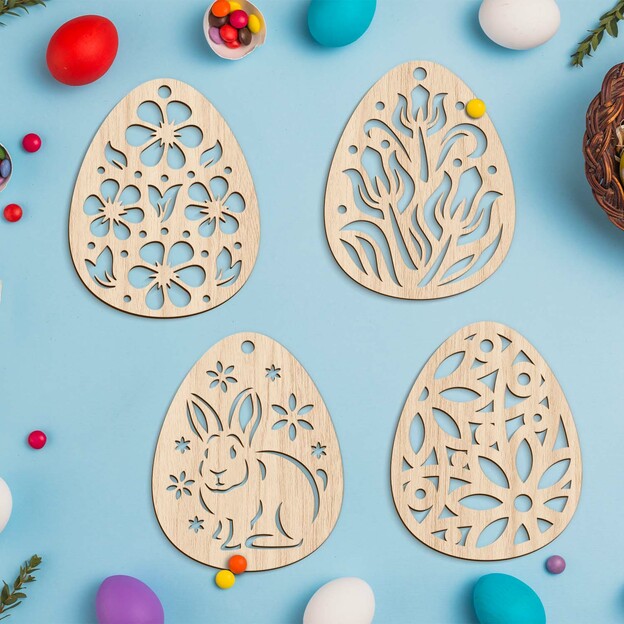
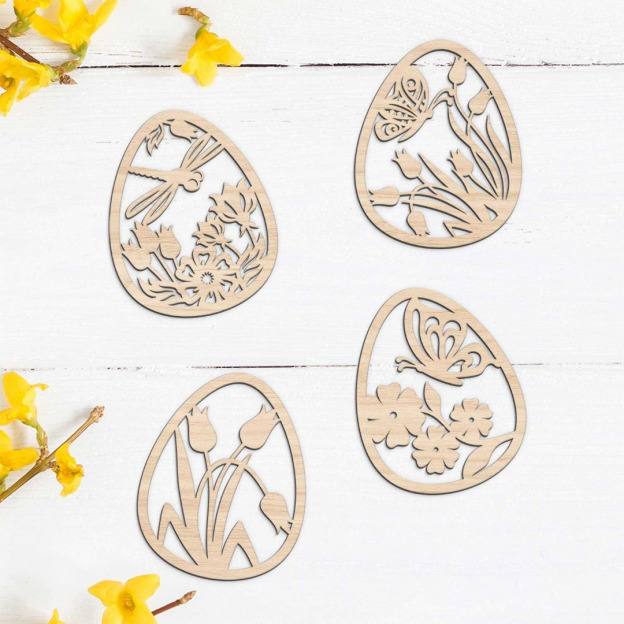
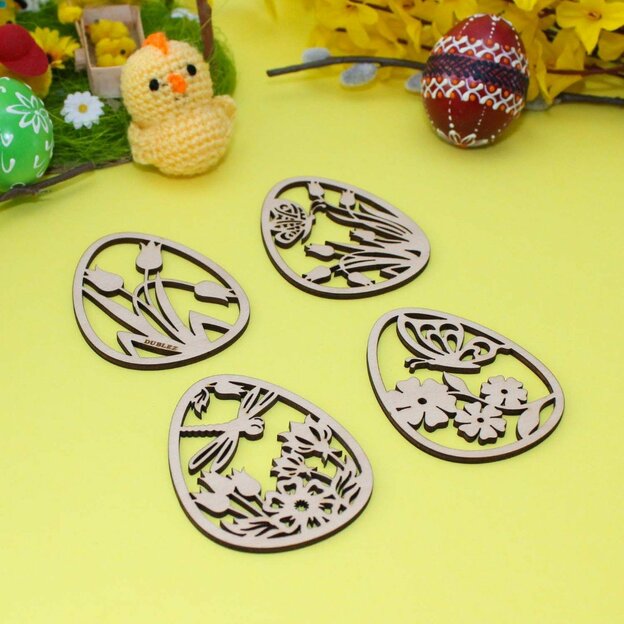
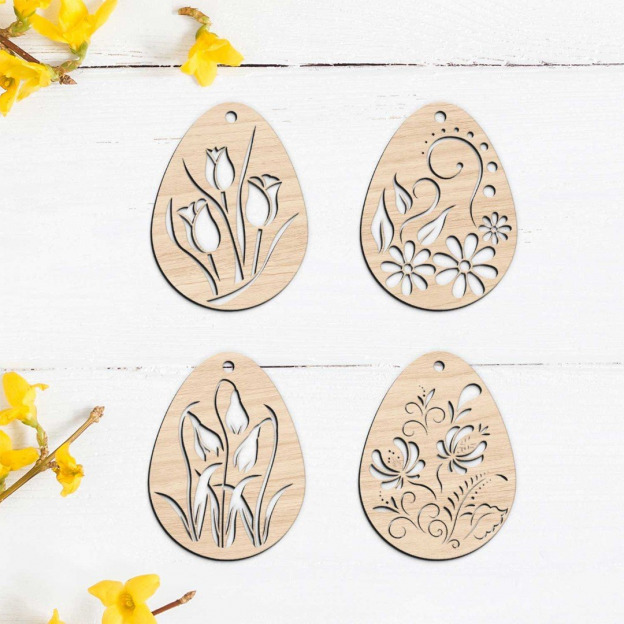
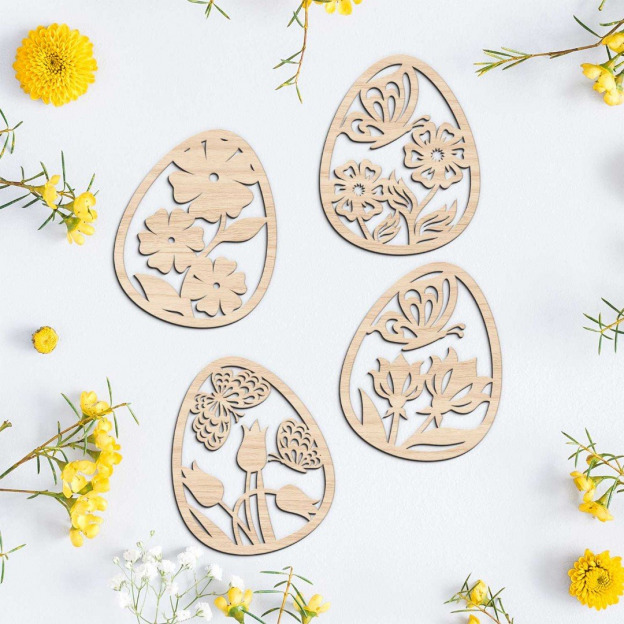
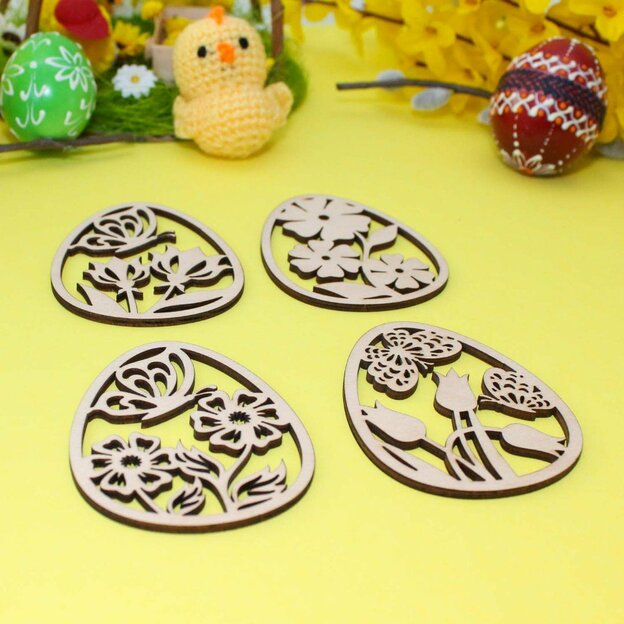
At DUBLEZ, we combine tradition with modern design, which is why we created wooden Easter eggs in various designs. They are durable, modern, and unlike real eggs, they do not break.
7. How are Easter holidays celebrated around the world?
Across the world, Easter traditions vary, though many share similar roots:
France: A popular anecdote says you should not take a step without a fork—a nod to the giant omelettes prepared in some regions during Easter.
Austria: Traditionally, people light bonfires and visit Easter markets. Lamb-shaped cakes are a typical treat.
Switzerland: Hiding chocolate eggs in the garden is a beloved custom. There is also a tradition of trying to crack a decorated egg with a coin.
Ukraine and Hungary: These countries share many customs with Slovakia, emphasizing the welcoming of spring and festive family gatherings.
Czech Republic: Traditions are very similar to Slovakia, including the baking of “Judas buns”—pastries shaped like a rope.
Australia: Instead of the Easter Bunny, Australians celebrate with the **Easter Bilby**—a native marsupial—to raise awareness for endangered local wildlife.
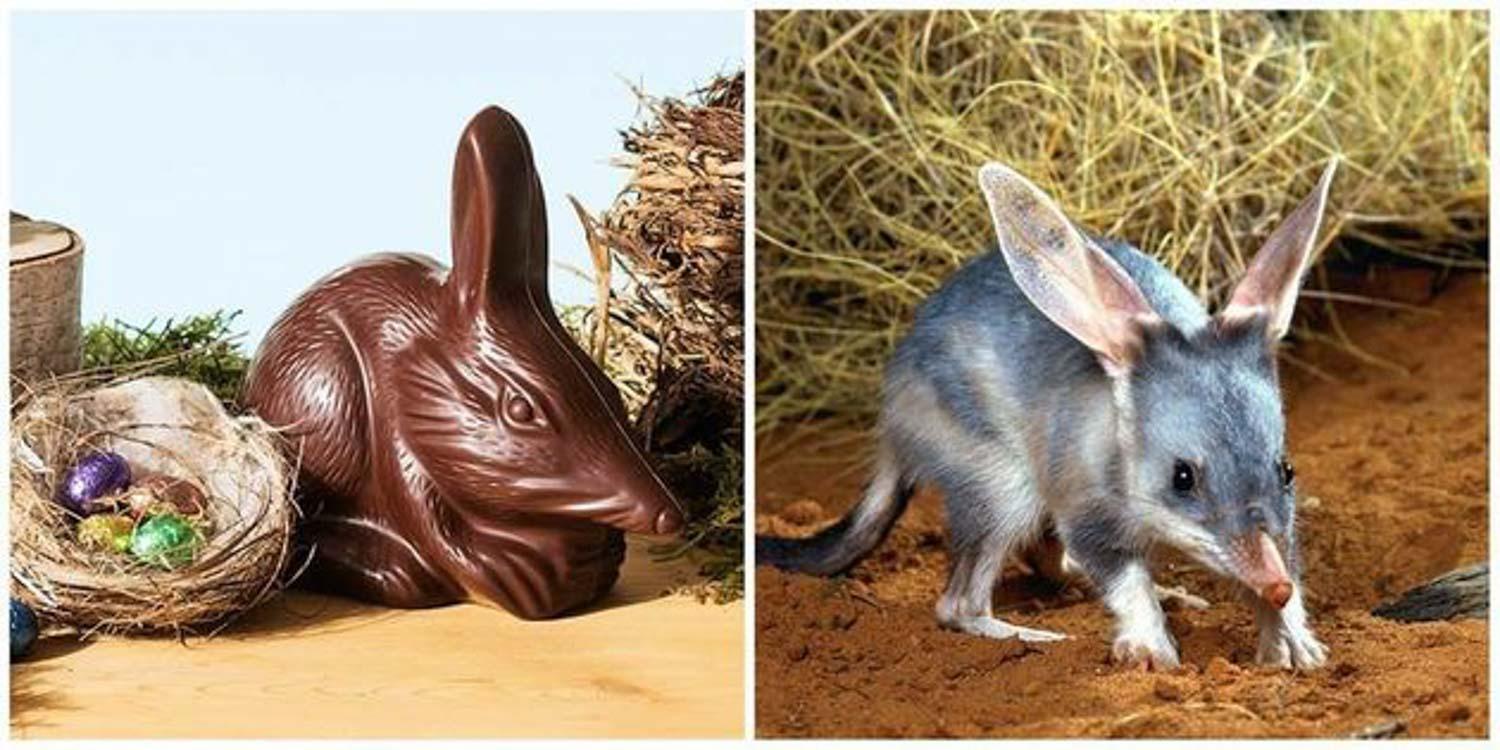
In Australia, the Easter Bilby is a popular alternative to the Easter Bunny. Source: Huffpost.com
8. Conclusion
In conclusion, these holidays carry deep ethical and cultural meaning. They encourage respect for tradition, humility, and gratitude for nature itself. For generations, these customs have become a life philosophy that values the cycle of life and the awakening of the earth.
Holidays with true depth endure and are passed down from generation to generation. That is exactly what makes Easter so special.
The goal of our company is to design products honestly and with attention to detail. We create accessories that reflect our values and carry their own symbolism. That is why Easter decorations from DUBLEZ are created with both tradition and meaning in mind.
All Easter-themed products from the DUBLEZ workshop can be found HERE.