




































Halloween: Uncover the Secrets and Traditions of This Spooky Holiday
Halloween is the time when streets come alive with spooky costumes, carved pumpkins, and an endless supply of sweets. If you're looking for the perfect inspiration for this magical night, you're in the right place. Get ready—it’s going to be frightfully fun!
In this article, you'll discover:
- What is Halloween?
- Typical Symbols of Halloween
- Tips & Tricks for Halloween Decorations
- Top Halloween Costumes
- The History of Halloween
- Halloween in Slovakia
- Halloween-Inspired Recipes
1. What is Halloween?
Halloween is a holiday celebrated on October 31st, mainly in the United States, Canada, and several other countries. It's a time when people dress up in spooky or creative costumes, carve pumpkins into jack-o'-lanterns, and decorate their homes with haunted décor. Children often wear costumes and go door-to-door saying "trick-or-treat" to collect candy and sweets.
Halloween has its origins in ancient Celtic celebrations of Samhain, which marked the end of the harvest and the beginning of winter. It was believed that during this time, the boundary between the living and the dead blurred, giving rise to traditions involving spirits and ghostly appearances.
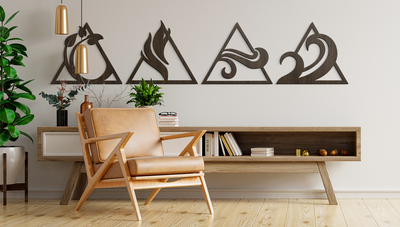
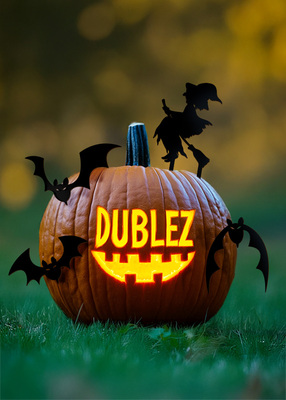
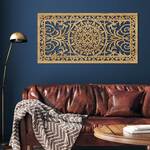
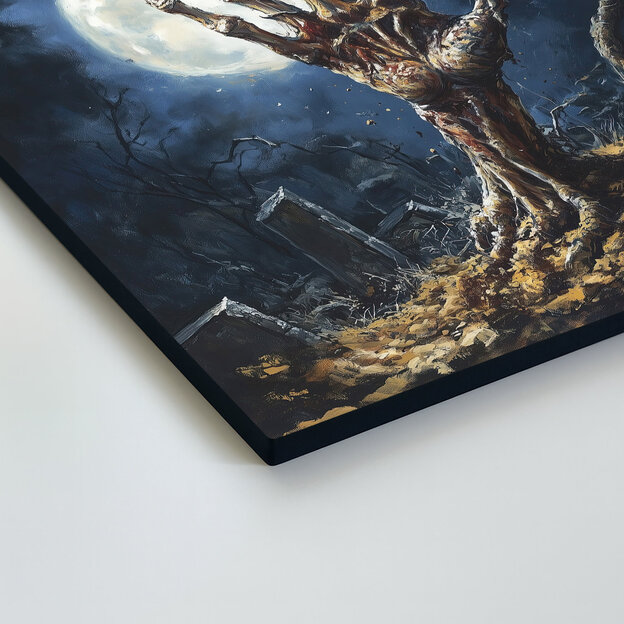
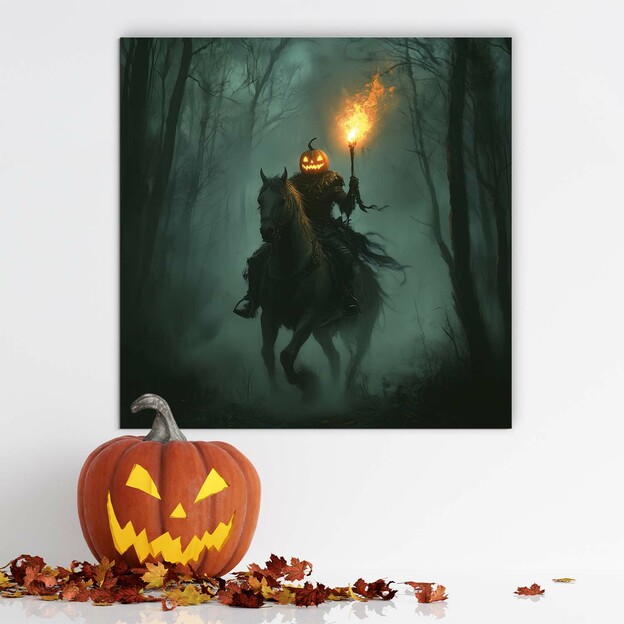
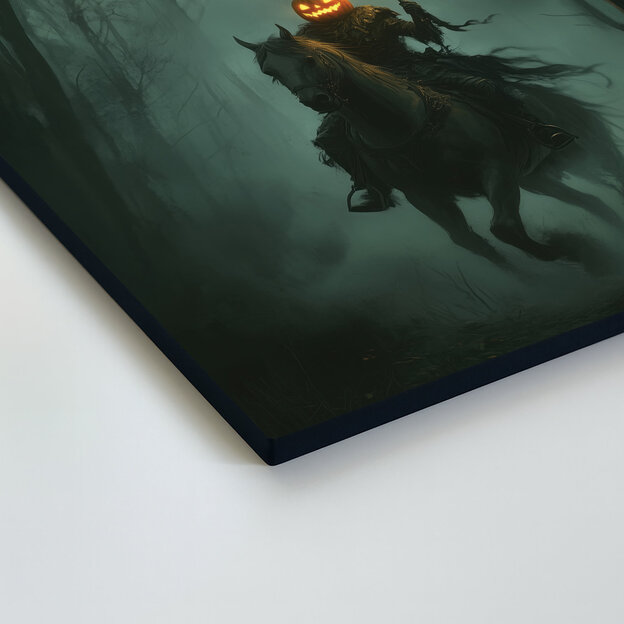
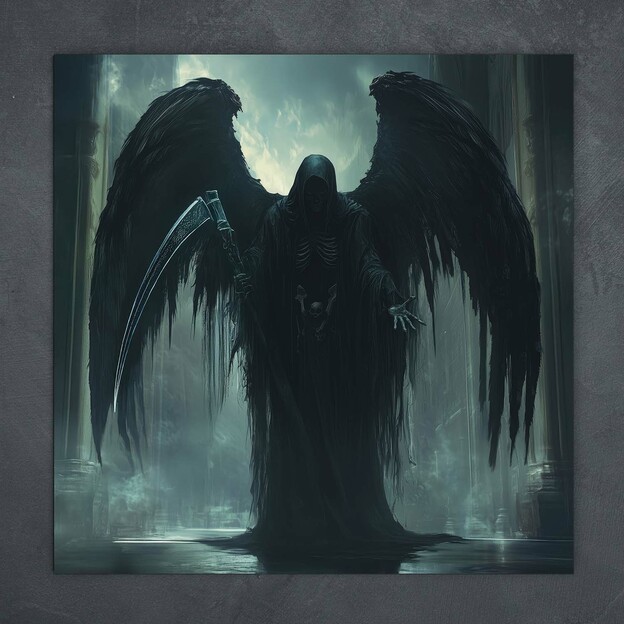
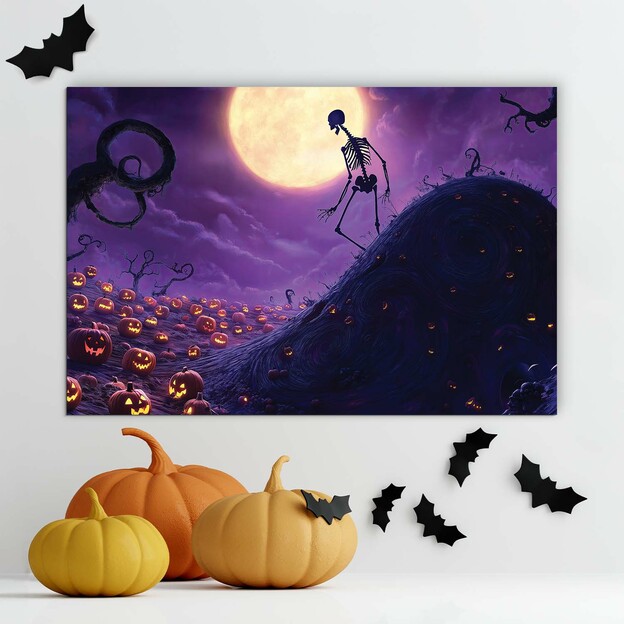
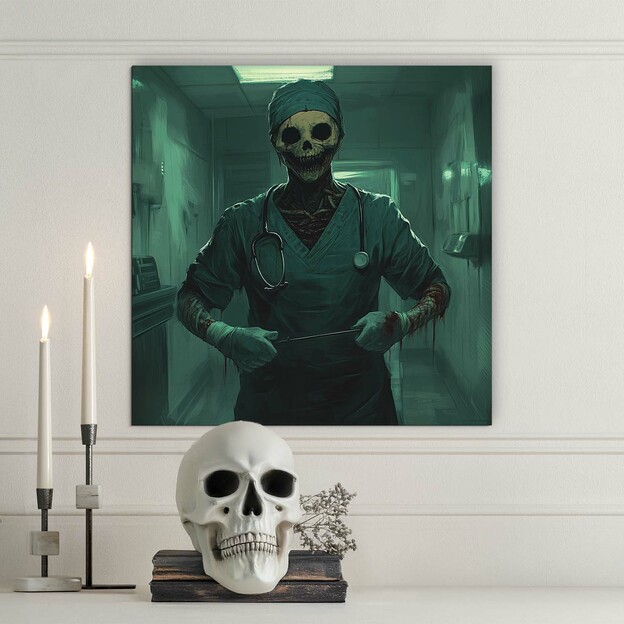
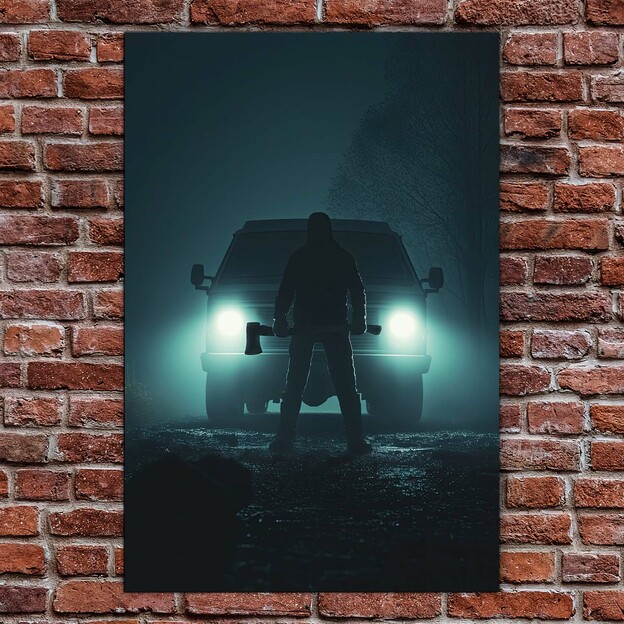
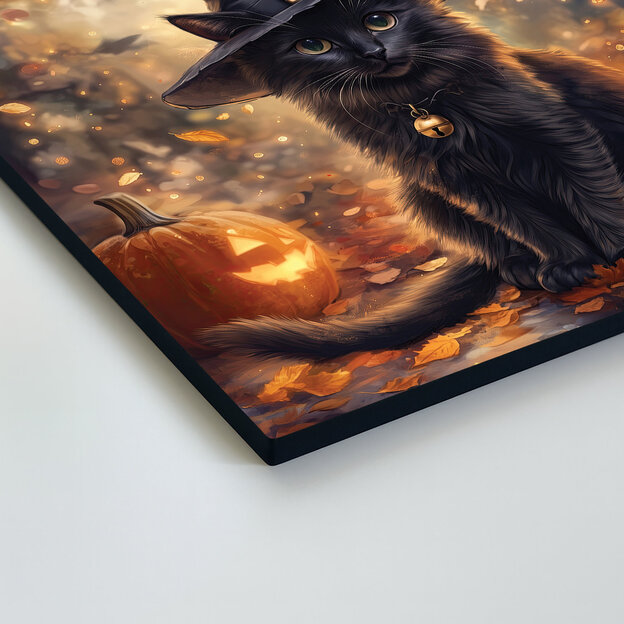
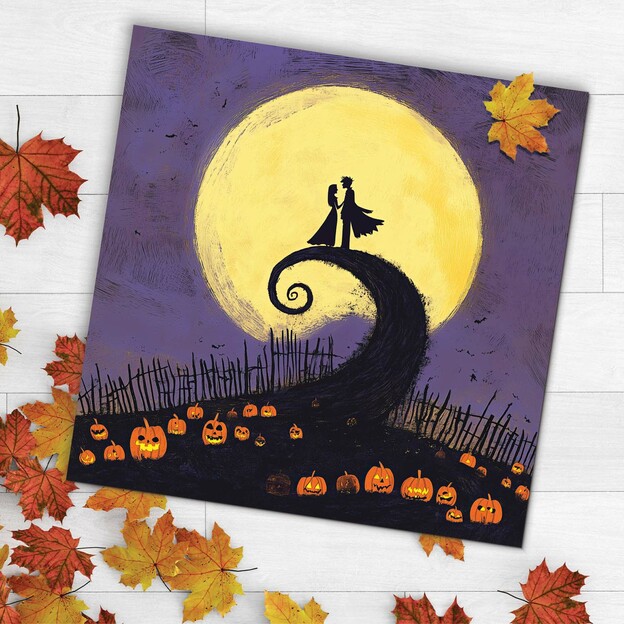
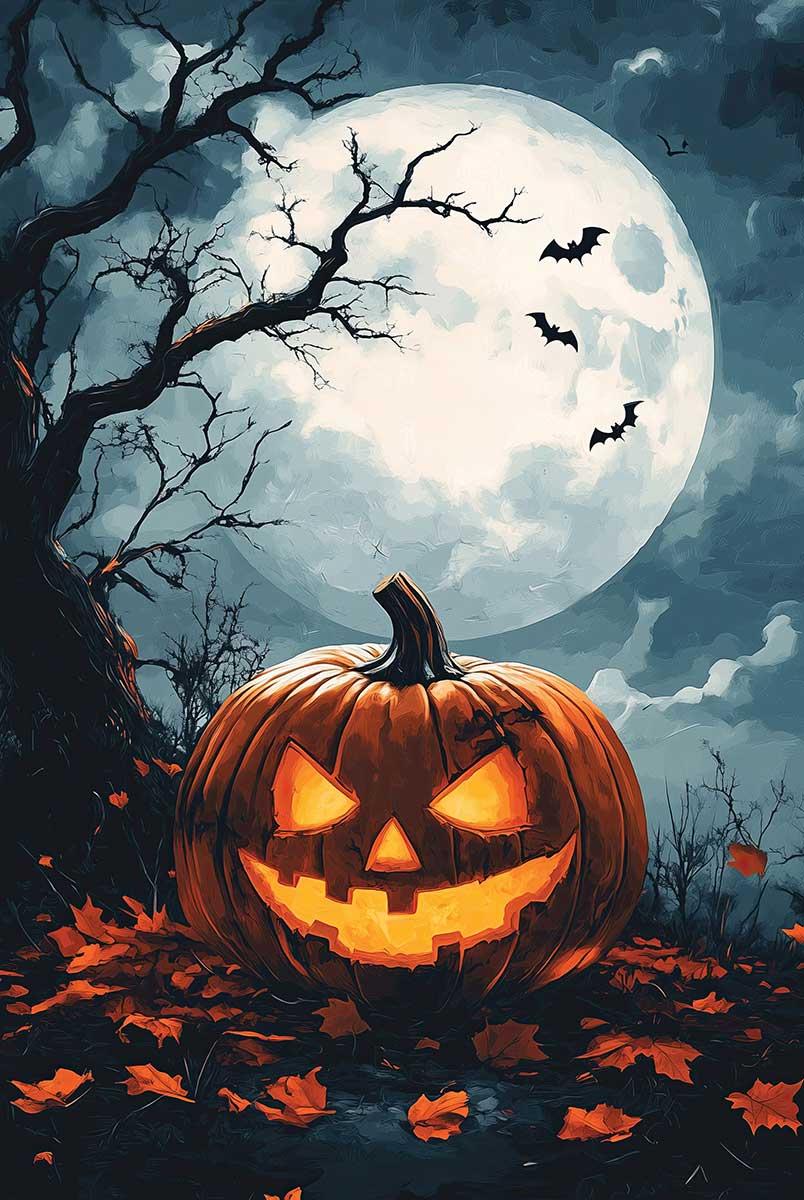 Wooden artwork with this Halloween-themed design is available for purchase HERE
Today, Halloween is celebrated around the world in different forms. In the United States and Canada, it's one of the most beloved holidays, while in Europe and Asia its popularity continues to grow. In addition to traditional customs, people enjoy costume parties, theme park events, and charity gatherings.
2. How to Nail Your Halloween Decorations
Halloween is the perfect time to turn your home into a haunted realm full of imagination. By using traditional symbols and creative ideas, you can create an unforgettable atmosphere that will impress your neighbors and guests alike. Here are some key elements and tips to achieve amazing Halloween décor.
2.1 Traditional Halloween Symbols
Halloween blends horror with creativity and fun, resulting in a dark yet playful vibe. So, what should you never skip when decorating?
- Carved Pumpkins: With candles inside, they are a classic Halloween icon. Try experimenting with different patterns and sizes to create a unique look.
- Ghosts: Use white sheets or gauze to create floating ghosts, and hang them from trees or your porch.
- Black Cats & Bats: These creatures are tied to mystery and superstition. Add them as decorations to your windows or walls.
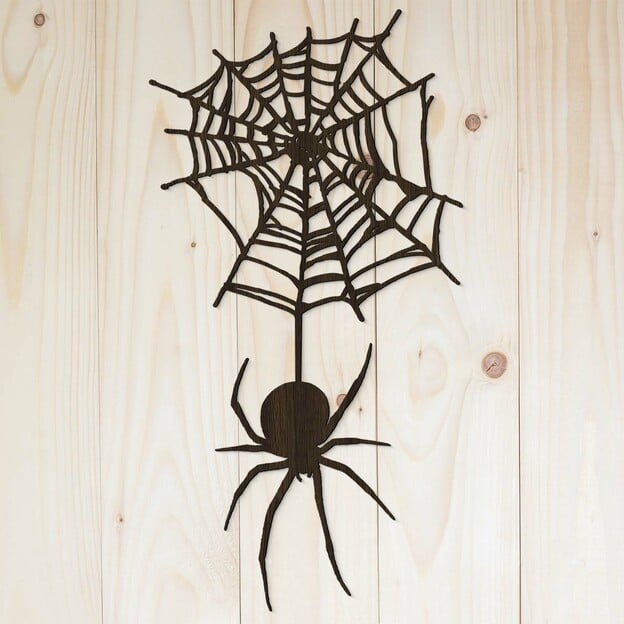
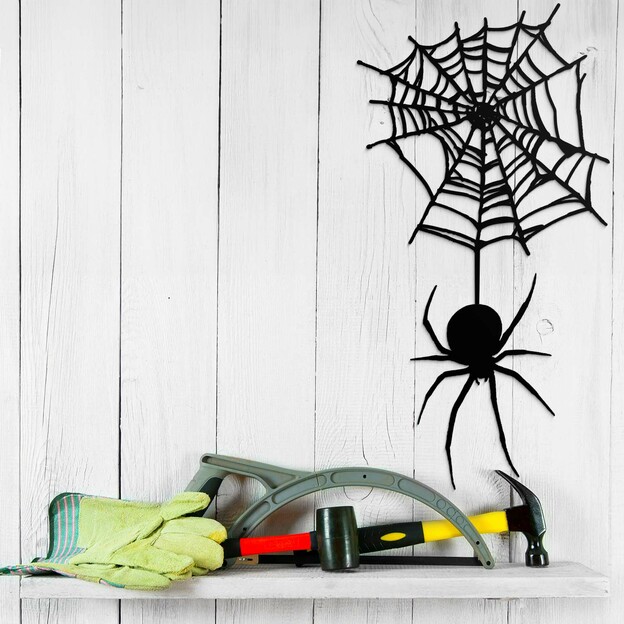
- Spider Webs & Spiders: Artificial webs and plastic spiders create a creepy atmosphere both indoors and outdoors. Or just skip cleaning and leave the real ones if you're brave—or grab some spray-on webbing (unless you have Spider-Man on speed dial).
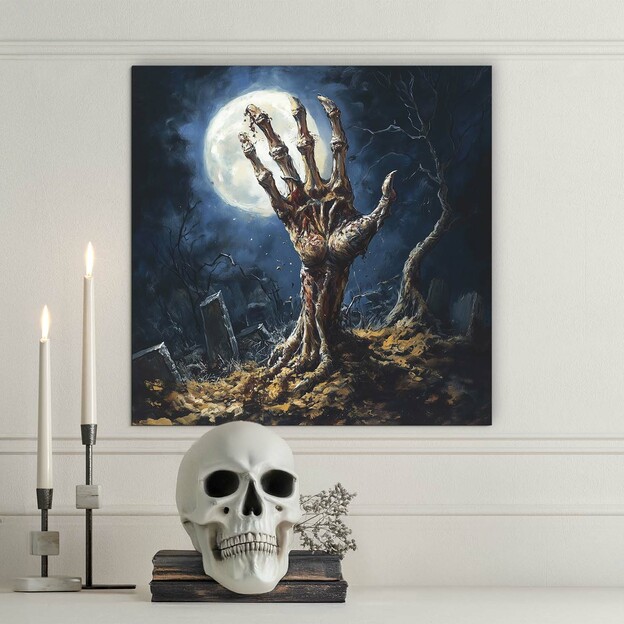
- Skeletons & Zombies: Figures or cutouts of these characters can add a horror twist to your scene.
- Candles: Use candles or dim lighting to create a spooky mood. Be careful with open flames—don’t burn the house down in the name of Halloween!
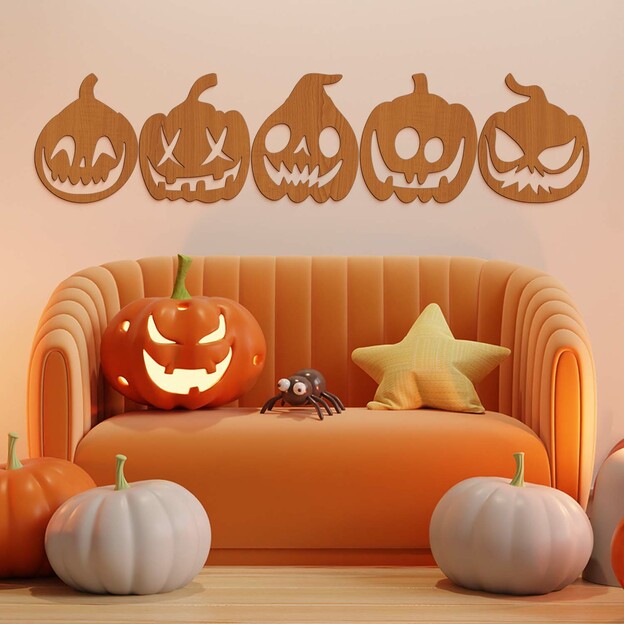
Laser-cut wooden Halloween decorations from DUBLEZ are a must-have for any Halloween party.






3. Creative Halloween Decoration Ideas
Decorations are set – now let’s work on the atmosphere. To truly stand out with your décor, take inspiration from these ideas:
- Lighting Effects: A Halloween essential. Use colored lighting—orange, purple, or green—to create a mystical atmosphere. LED candles and string lights are a safe way to light up your space. The trick? Dim the lights and highlight your spooky pieces with dramatic shadows.
- Scents Set the Mood: Light a few candles with aroma. Classic Halloween scents include cinnamon, pumpkin spice, or various sweet fragrances to warm up the vibe.
- Sound Effects: Hidden speakers playing eerie sounds like wind, whispers, or sudden screams will raise the chill factor in your home.
- Themed Scenes: Create setups like a witch’s corner with a cauldron and brooms or a graveyard scene with tombstones and artificial fog.
- Interactive Elements: Motion-activated lights or sounds will surprise and delight guests as they move around your space.
- DIY Decorations: Make your own paper garlands, painted pumpkins, or handmade wreaths for your door.
Don’t underestimate the power of Halloween décor. With DUBLEZ, your home is sure to shine (or creep) in the best way possible.

3.1 How to Impress Your Guests
Planning a Halloween party? Here are guaranteed tips on how to impress your guests so they’ll never forget your event:
- Themed Refreshments: Prepare food and drinks with a Halloween twist, such as spooky cupcakes or bloody punch. You’ll find a few recipe ideas below.
- Costume Code: Encourage guests to arrive in costume and host a contest for the best costume.
- Photo Booth: Set up a spot with a themed backdrop and props where guests can take memorable pictures.
- Halloween Games: Organize activities such as treasure hunts, pumpkin carving contests, or horror movie quizzes.
This way, you’ll entertain your guests and create unforgettable memories.
3.2 Current Trends in Halloween Parties
Today’s Halloween is bursting with creativity and innovation. Some of the top current trends include:
- Themed Parties: Throw a party based on a specific theme—popular movies, TV shows, or historical eras.
- Pet Costumes: Dressing up pets has become a popular trend that adds fun and cuteness to the celebration.
- Interactive Attractions: Haunted houses, escape rooms, and Halloween festivals offer immersive entertainment experiences.
- Social Media: Platforms like Instagram and TikTok let people share their creative costumes and decorations, inspiring others around the world.
- Private Date Night: Planning a party for two with a little romance? We recommend a horror movie marathon—watch a few back-to-back. Don’t forget the popcorn. And chances are, your partner will want to cuddle from fright.
4. TOP Halloween Costumes
Halloween is all about dark-themed parties and costumes of every kind. The goal of a costume is usually to entertain, stand out, or sometimes even provoke thought. When it comes to Halloween costumes, people usually fall into two camps:
- Classic Halloween-themed costumes: Staying true to the holiday’s atmosphere, these costumes incorporate traditional Halloween elements. Popular choices include horror movie characters, famous spooky film icons, mythical creatures like vampires or zombies, etc. Want to wrap it all into one? Go with Frankenstein — always a winner!
- Costumes beyond Halloween symbols: Any kind of costume goes! Think professions (like nurses), superheroes, movie characters, animated figures, animals, or even inanimate objects. Creativity has no limits!
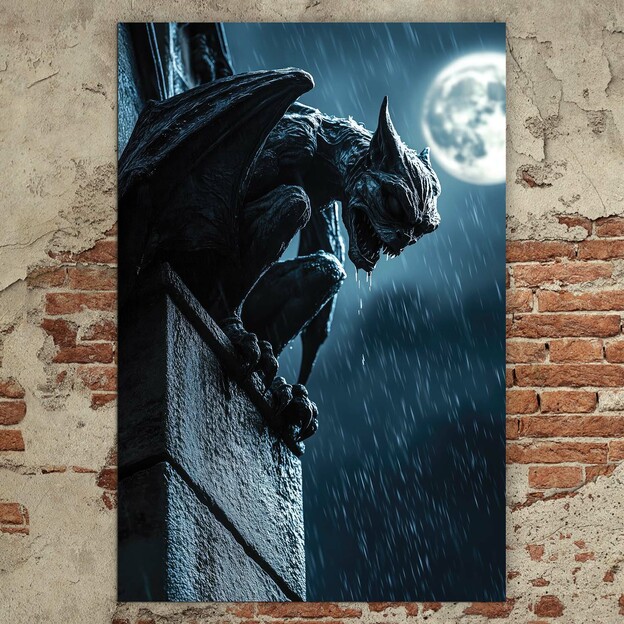
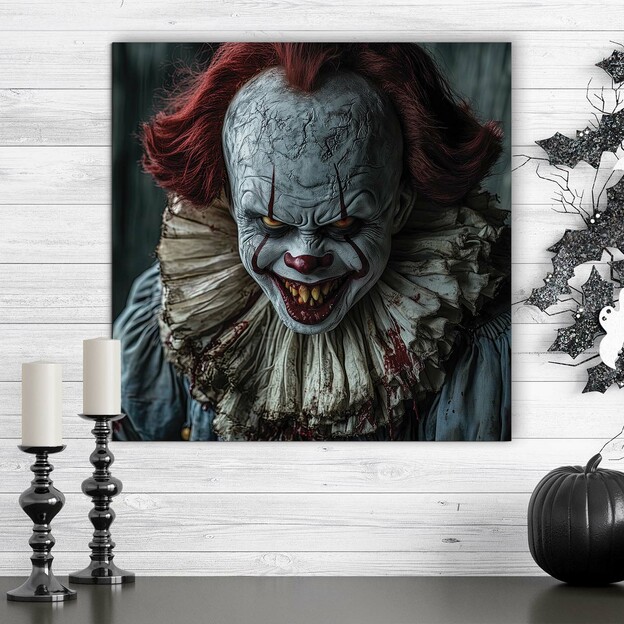
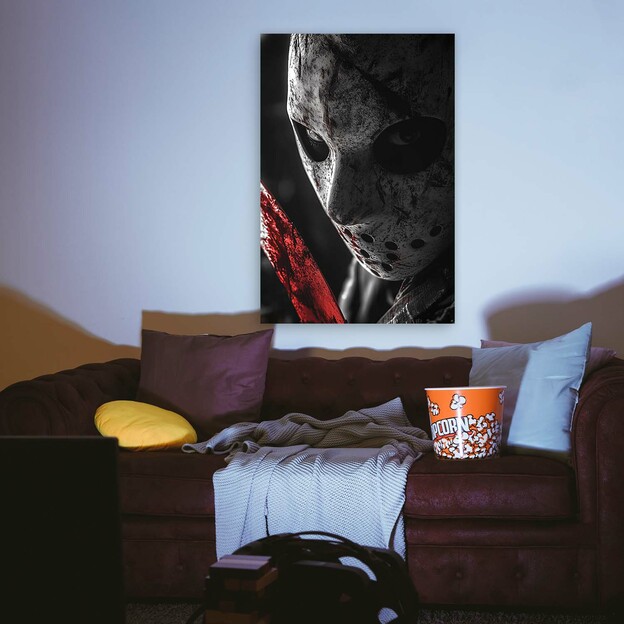
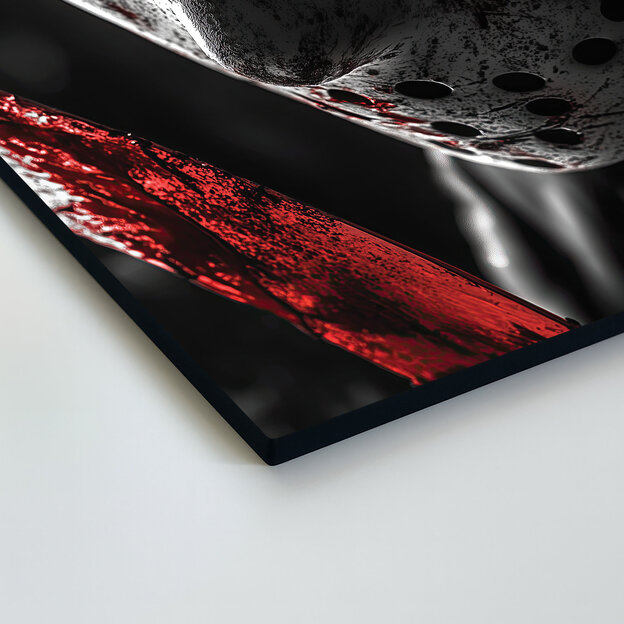
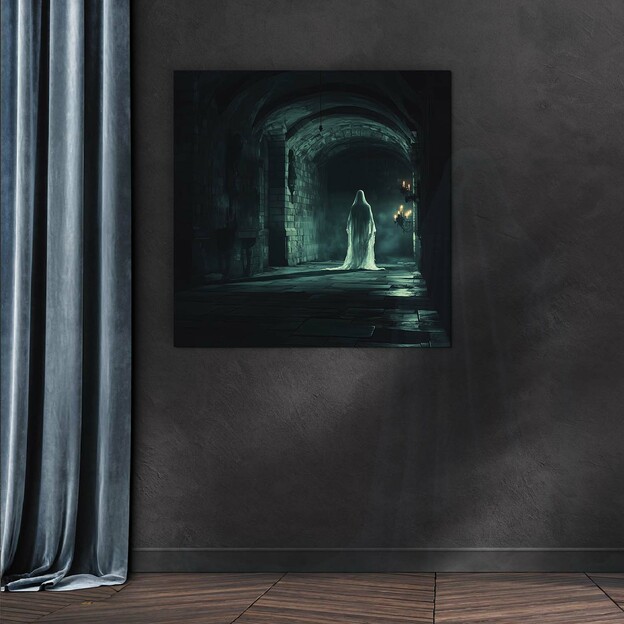
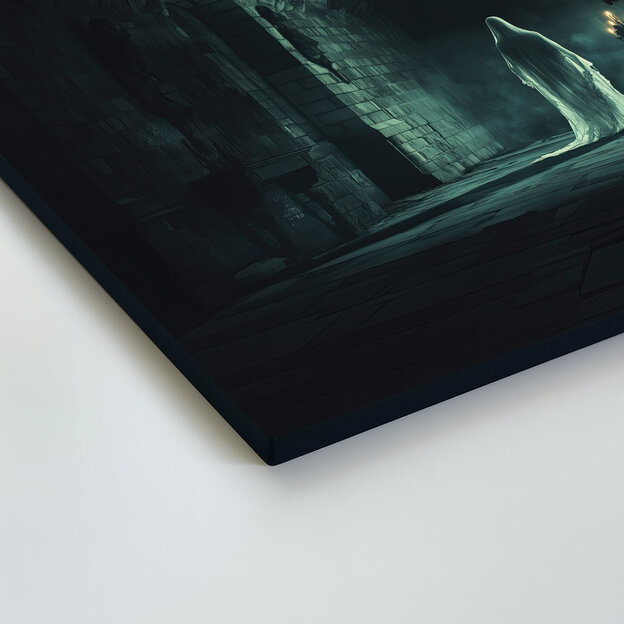
Horror characters for Halloween? Absolutely yes!
5. History of Halloween: From Ancient Rituals to Modern Celebrations
Halloween, celebrated annually on October 31st, is a holiday filled with mystery, myths, and traditions that have evolved over centuries. Its roots stretch deep into ancient Celtic rituals and have absorbed various cultural influences to become what we know today. Let’s dive into the fascinating history of Halloween, full of captivating stories and surprising connections.
5.1 Celtic Festival of Samhain
The history of Halloween begins with the ancient Celts, who lived more than 2,000 years ago in the areas now known as Ireland, the UK, and northern France. The Celts celebrated their New Year on November 1st. The day before — October 31st — was called Samhain (pronounced “sow-in”), meaning "summer's end."
Samhain was a time when the boundary between the living and the dead blurred. The Celts believed that spirits of the dead returned to earth, causing mischief or harming crops. To protect themselves, they lit large bonfires on hilltops, offered harvest goods and animals as sacrifices, and wore costumes made of animal skins and heads to confuse evil spirits.
5.2 Roman Influence
Around 43 AD, the Roman Empire conquered most of the Celtic territories. Over the next 400 years, Celtic traditions blended with Roman festivals. Two Roman holidays, Feralia (a day to honor the dead) and Pomona (festival of the goddess of fruits and trees), became part of Samhain celebrations. Pomona’s symbol was the apple, likely the origin of the apple-bobbing game during Halloween.
5.3 Christian Influence and the Emergence of All Hallows' Eve
As Christianity spread, the Church sought to replace pagan holidays with Christian ones. In the 7th century, Pope Boniface IV declared November 1st as All Saints’ Day, honoring saints and martyrs. Later, November 2nd became All Souls’ Day, honoring all the dead.
These celebrations included bonfires, parades, and costumes of saints, angels, and devils. The night before All Saints’ Day — October 31st — became known as All Hallows’ Eve, later shortened to Halloween.
5.4 Halloween Comes to America
Halloween was brought to America by European immigrants, especially the Irish during the Great Famine in the mid-19th century. Initially, Halloween celebrations were limited due to Protestant beliefs in colonial America, but over time, European traditions blended with Native American customs.
By the 19th century, Halloween became a time for games, fortune-telling, and ghost stories. Young people began playing tricks — a practice that evolved into "trick-or-treating", where children go door to door for candy, promising not to cause mischief in return.
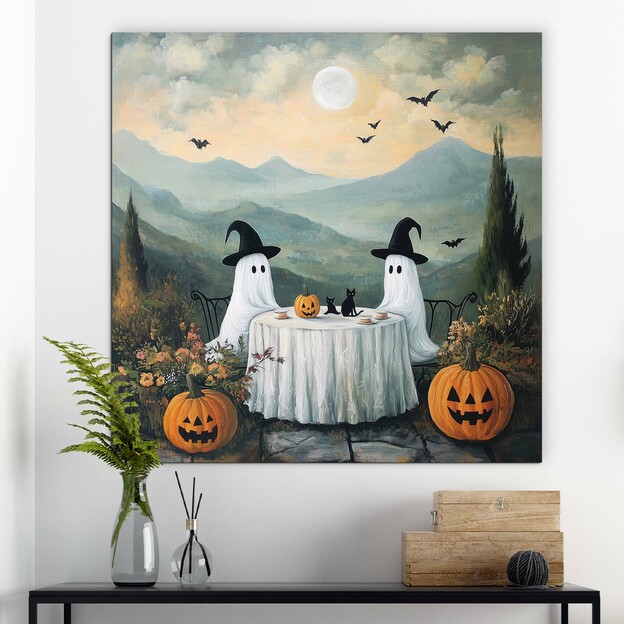
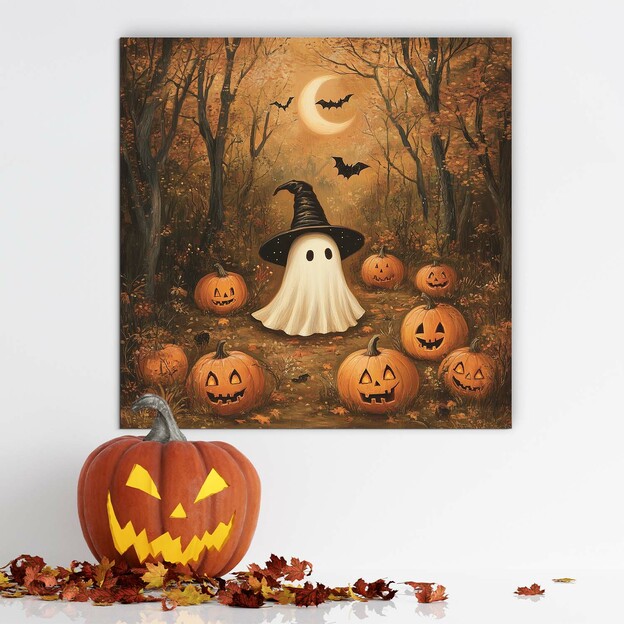
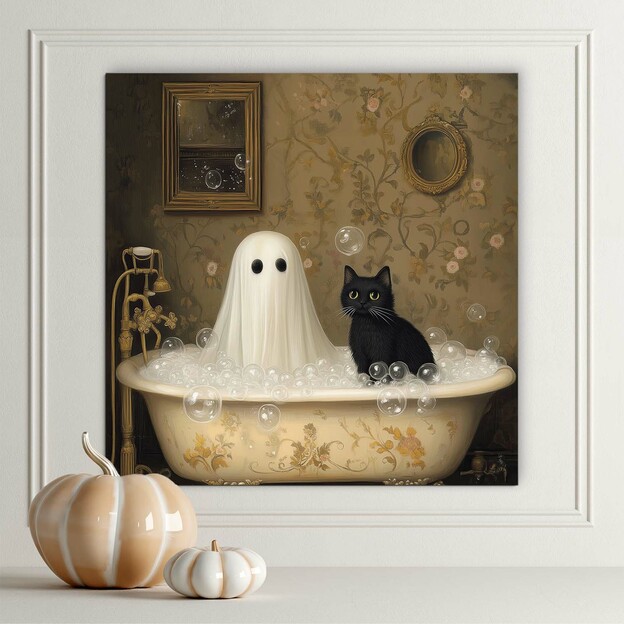
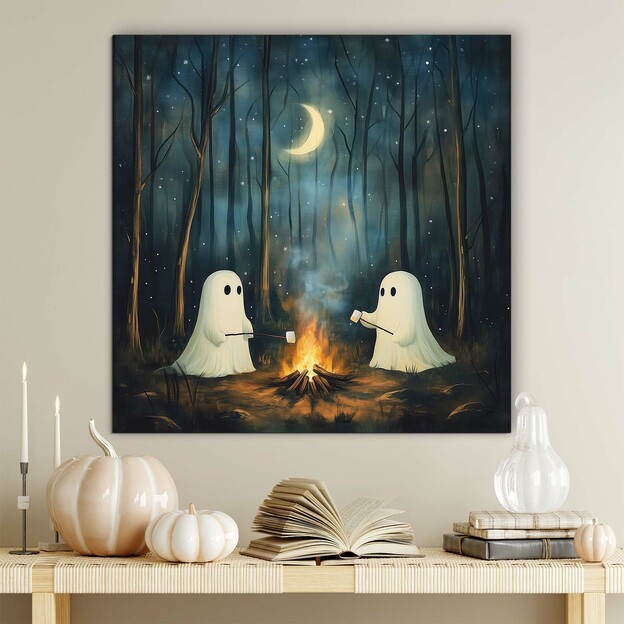
Cheerful Halloween ghosts as wooden artwork from DUBLEZ.
5.5 Halloween Today: Transformation, Popularization, and Modern Trends
Today, Halloween is a global holiday that has transcended its origins. From ancient Celtic roots, it evolved through many transformations to become one of the world’s most popular celebrations. Let’s explore how Halloween changed, became widespread, and what makes it so trendy now — especially in Europe vs. the US.
In the 20th century, Halloween grew into a commercial phenomenon. Costume, decor, and candy industries flourished. Movies and media played a big role in popularizing Halloween — horror films and Halloween specials became holiday staples.
Carving jack-o’-lanterns (originally made from turnips or potatoes in Irish folklore) became a central custom after Irish immigrants in America found pumpkins more accessible and easier to carve.
Throughout the 20th century, Halloween evolved from a children's holiday to a celebration enjoyed by people of all ages. Commercialization helped fuel its growth, becoming a major part of retail sales. Media and pop culture played a key role in spreading Halloween traditions worldwide.
5.6 Halloween Returns to Europe
Although Halloween originated in Europe, its modern celebration returned thanks to globalization and the influence of American pop culture. Since the 1990s, Halloween has become increasingly popular in countries like the UK, Ireland, Germany, and others — driven by media, movies, and global brands.
5.7 Differences Between Halloween in America and Europe
While Halloween is celebrated on both continents, there are notable differences:
- Trick-or-treating: In the US, kids widely participate in door-to-door candy collection. In Europe, it's less common and not practiced in all countries.
- Cultural context: In Europe, Halloween overlaps with All Saints’ Day and All Souls’ Day, which carry deeper spiritual significance, giving Halloween a different tone.
- Commercialization: While growing in Europe, it’s still not on the same scale as in the US, where Halloween is among the top retail holidays.
- Decor and costumes: Americans are more likely to go all-out with home decorations and elaborate costumes. European styles are often more minimalist and traditional.
Modern Halloween in Europe: Some see it as a fun, creative celebration. Others criticize it as a commercialized, Americanized trend. Still, its popularity continues to rise, especially among the younger generation.
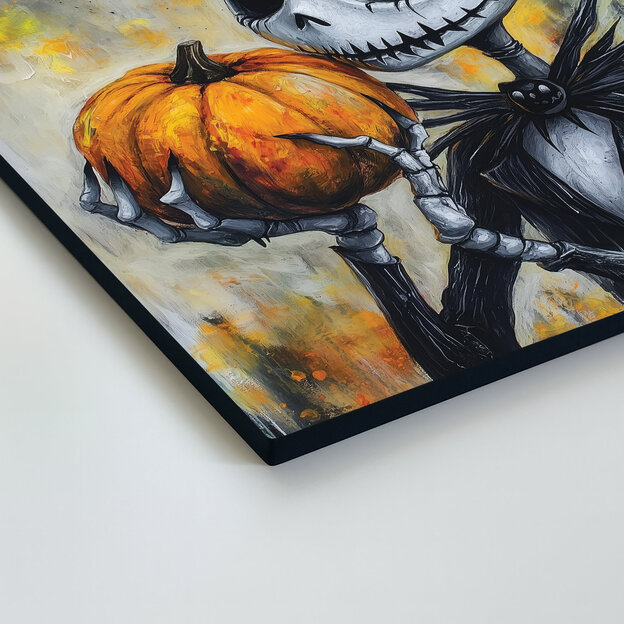
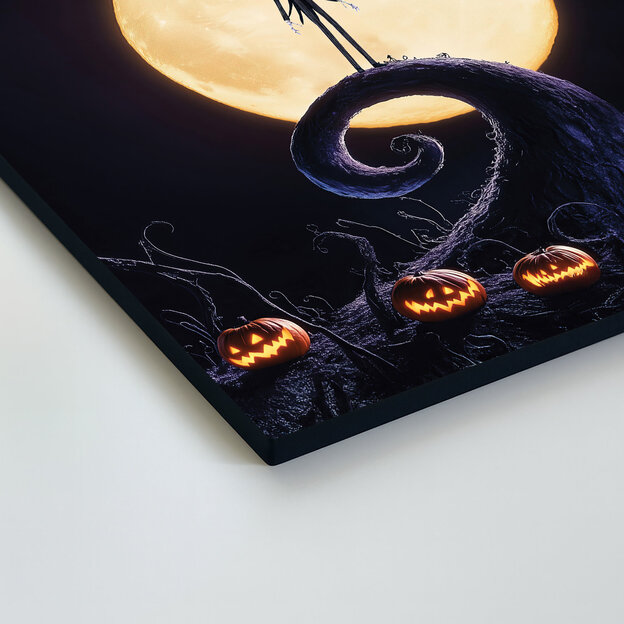
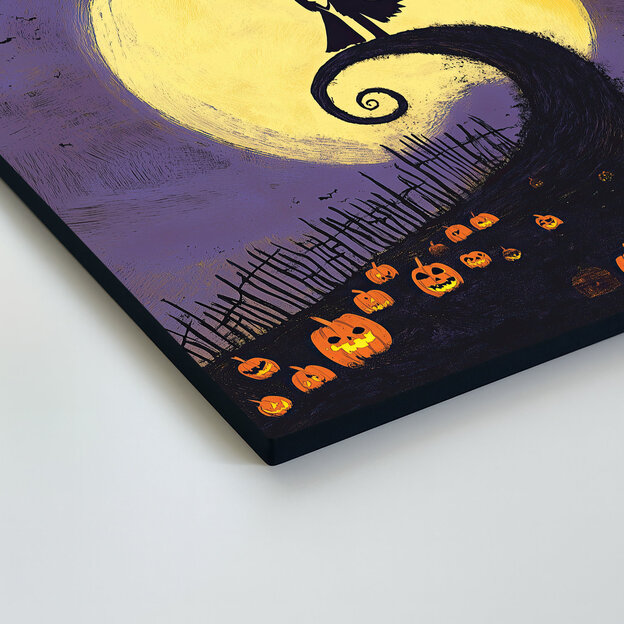
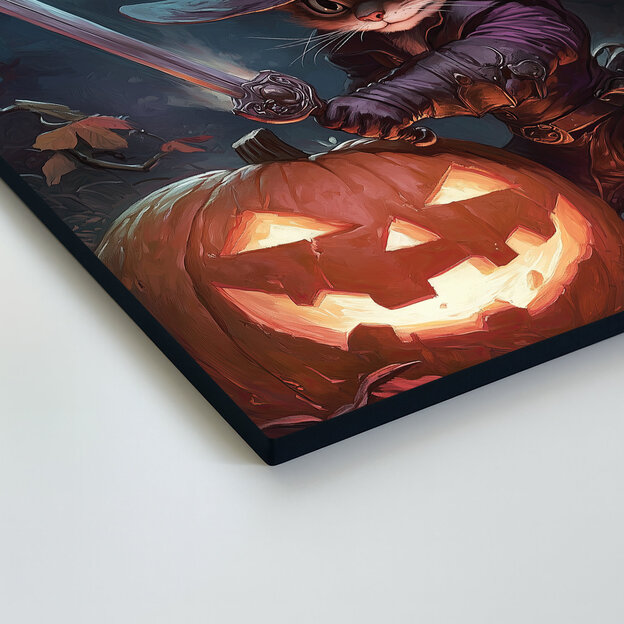
Beautiful wooden decorations from DUBLEZ, like Jack Skellington, are a must-have!




6. Halloween in Slovakia: How It Arrived and Blends with Local Traditions
Halloween is a relatively new phenomenon in Slovakia, first appearing in the 1990s thanks to globalization and foreign media influence. At first, it was seen as a purely American holiday, but over time it has gained popularity—especially among the younger generation. Let’s explore how Halloween arrived in Slovakia and how it intertwines with traditional holidays.
6.3 The Arrival of Halloween in Slovakia
After the fall of the Iron Curtain and the country’s opening to the world, Slovakia began to absorb Western cultural influences. Through films, TV, and the internet, the concept of Halloween made its way here. Shopping centers and businesses quickly picked up on the trend and started offering seasonal décor, costumes, and themed events.
6.4 Blending with Slovak Traditional Holidays
In Slovakia, the same time of year is dedicated to the observance of All Saints’ Day (November 1st) and All Souls’ Day – “Dušičky” (November 2nd). These days are traditionally reserved for honoring the memory of the deceased, visiting cemeteries, and lighting candles on graves.
The overlap of Halloween and Dušičky has brought mixed reactions. Some people view Halloween as a disruption to our traditions—a commercial holiday with no real meaning. Others see it as an opportunity for fun and creativity that can coexist with traditional customs.
6.5 How Halloween Is Perceived in Slovakia
Slovaks have mixed feelings about Halloween. The older generation tends to prefer preserving traditional holidays and may be skeptical toward Halloween. However, the younger generation sees Halloween as a chance for fun, self-expression, and cultural discovery.
Church leaders and some conservative circles warn against letting Halloween overshadow the spiritual significance of All Saints’ Day and All Souls’ Day. Still, it seems both holidays can coexist peacefully, each serving a different role in society.
Halloween in Slovakia is a clear example of how global traditions are adapted locally. While not a traditional Slovak holiday, it’s gradually finding its place—especially as a form of entertainment and creative celebration. What matters is that alongside Halloween fun, Slovaks continue to honor their own cultural traditions and remember the meaning of Dušičky and All Saints’ Day.
7. Halloween Baking with DUBLEZ – Simple Themed Recipes
Halloween isn’t just about costumes and decorations – it’s also about delicious treats that can be just as fun and spooky. Try these easy recipes that use classic Halloween ingredients to delight every guest. Here are some ideas to bring the spirit of Halloween right into your kitchen.
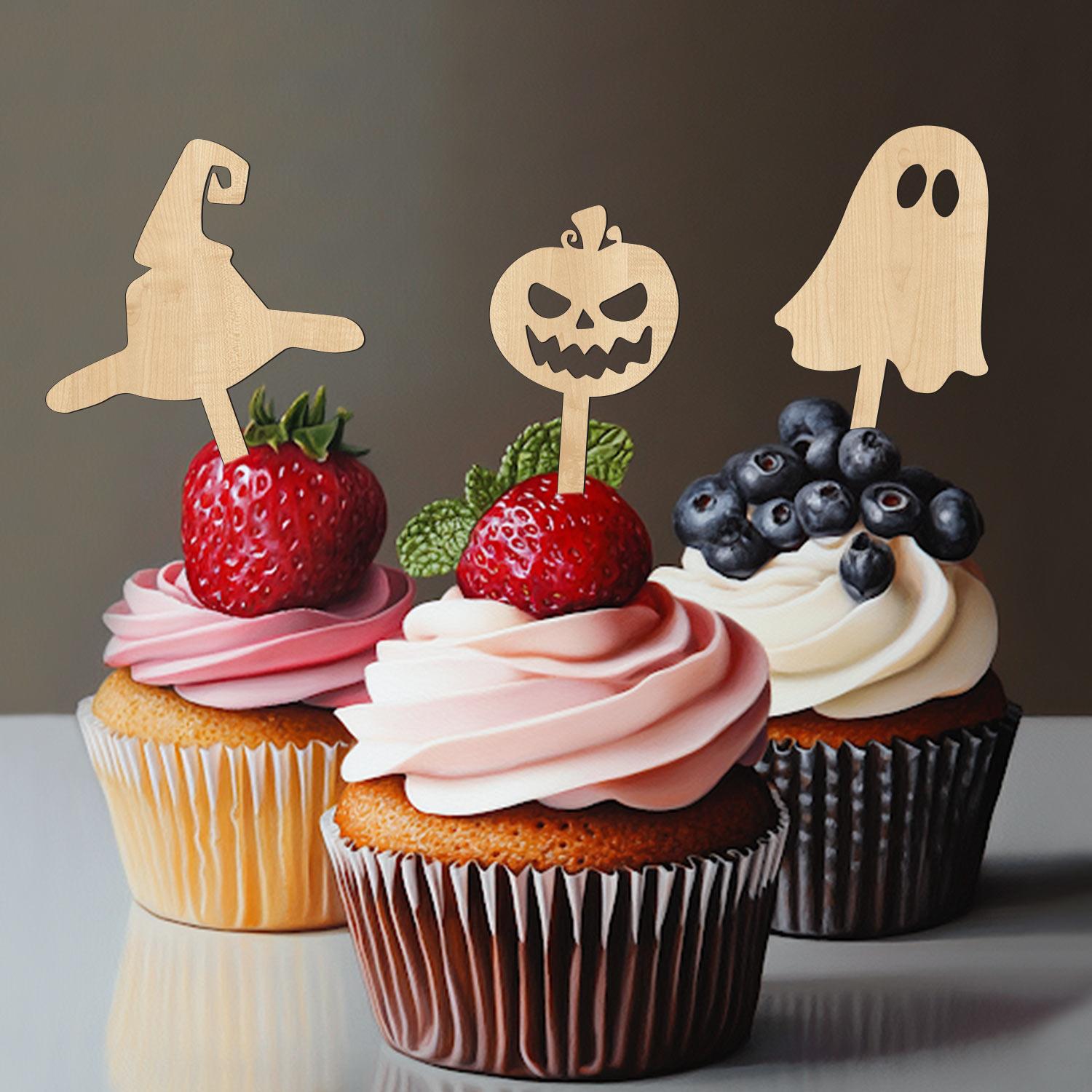
Tip: Decorate your cupcakes with DUBLEZ's spooky picks – Halloween Cupcake Toppers (12 pcs).
Classic Halloween Ingredients
- Pumpkin: The iconic symbol of Halloween – great for pies, muffins, and soups.
- Apples: A seasonal favorite, perfect for baking or caramelizing.
- Chocolate: Great for creating spooky desserts and sweet bites.
- Spices: Cinnamon, ginger, and cloves add a warm autumn flavor.
- Marshmallows: Ideal for making ghost shapes and fun edible figures.
7.1 Spiced Pumpkin Muffins
These moist muffins are packed with flavor – perfect for chilly autumn days.
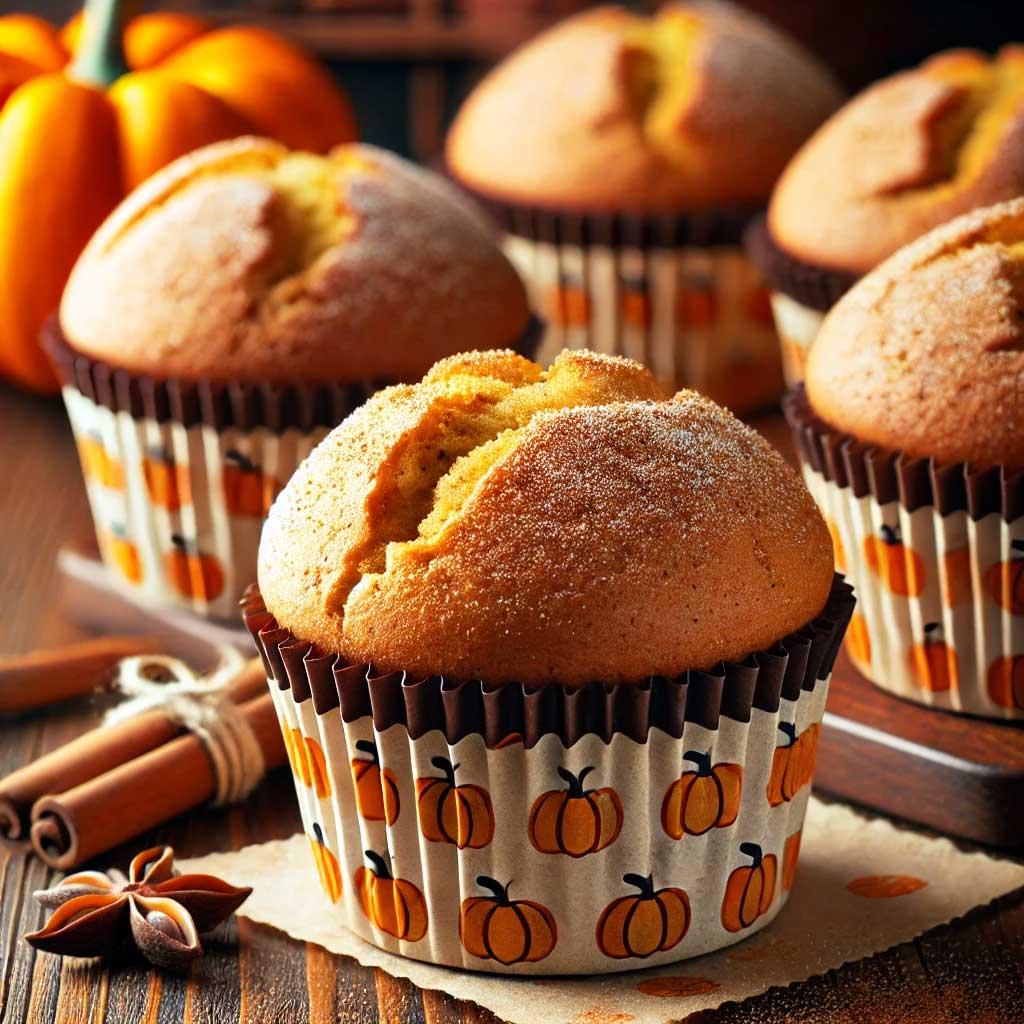
Illustration. Source: DUBLEZ
Ingredients:
- 1 ½ cups all-purpose flour
- 1 cup sugar
- 1 tsp baking powder
- ½ tsp baking soda
- ½ tsp salt
- 1 tsp cinnamon
- ½ tsp ground ginger
- 2 eggs
- 1 cup pumpkin purée
- ½ cup vegetable oil
- 1 tsp vanilla extract
Instructions:
- Preheat your oven to 180°C (350°F) and line a muffin tin with paper liners.
- In one bowl, mix flour, sugar, baking powder, baking soda, salt, and spices.
- In another bowl, whisk eggs, then add pumpkin, oil, and vanilla.
- Gradually add the dry ingredients to the wet mixture until smooth.
- Pour batter into muffin cups and bake for 20–25 minutes until golden brown.
7.2 Caramel Apples
A timeless treat combining the sweetness of caramel with the tartness of apples.
Ingredients:
- 4–6 small apples
- 4–6 wooden sticks
- 1 cup granulated sugar
- ½ cup water
- Red food coloring (optional)
Instructions:
- Wash and dry the apples. Insert sticks into the tops.
- In a saucepan, mix sugar and water. Bring to a boil.
- (Optional) Add a few drops of red food coloring for a "bloody" effect.
- Without stirring, cook until the syrup reaches 150°C (hard-crack stage).
- Quickly dip the apples into the caramel and place them on parchment paper to set.
7.3 Chocolate Spiders
A fun recipe where cookies and chocolate combine into creepy little spiders.
Ingredients:
- 1 pack of round cookies (like Oreos)
- Melted dark chocolate
- Pretzel sticks
- Mini candies or edible eyes for decoration
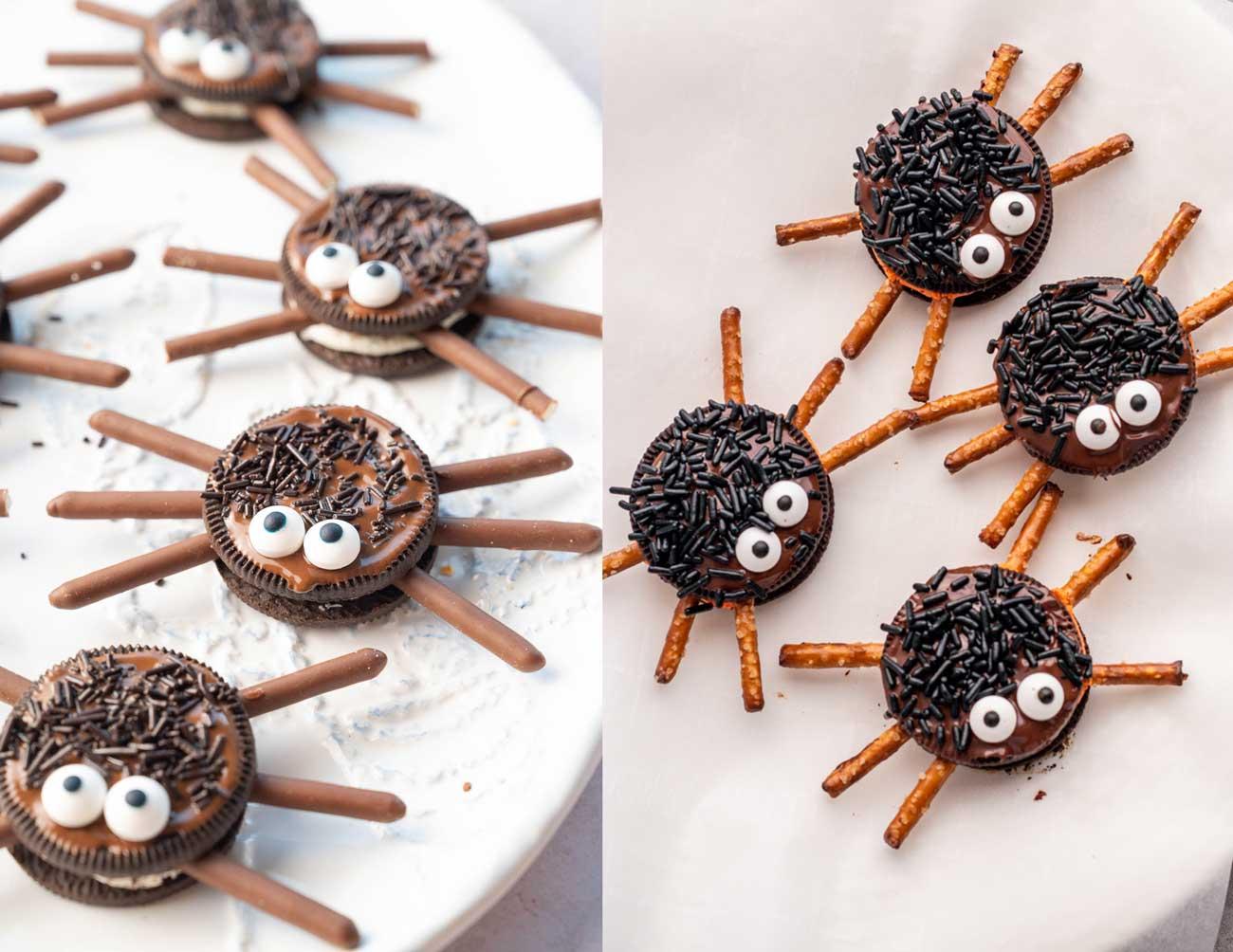
Illustration. Source: Internet
Instructions:
- Dip each cookie in melted chocolate and place on parchment paper.
- Before the chocolate hardens, insert pretzel pieces into the sides for legs.
- Stick on candy or edible eyes on top.
- Let the chocolate harden completely before serving.
7.4 Halloween Baking Tips
- Be creative: Don’t be afraid to tweak recipes or add your own spooky twists.
- Decorate well: Colorful icings and edible decorations make treats look truly Halloween-ready.
- Get the kids involved: Baking can be a fun family activity and a chance to get creative together.
- Stay safe: When working with hot sugar or the oven, always supervise younger bakers closely.
Baking during Halloween is a perfect chance to enjoy quality time while creating memorable and spooky snacks. Use these easy recipes and signature ingredients to whip up treats that taste just as amazing as they look. Have a sweet and spooky Halloween!
Halloween Summary
Halloween is now a global holiday that has gone through a major transformation. Its growing popularity is the result of cultural exchange and the influence of media. Although there are differences in how it's celebrated across America and Europe, the shared theme remains the same: joy, creativity, imagination, and spending time together.
With a bit of planning and creativity, you can create an unforgettable Halloween atmosphere that reflects your style and love for the season. Whether you go for traditional symbols or modern trends, the most important thing is to have fun and enjoy it.
Start decorating and let your home shine in the spooky glow of Halloween!